Financial savings matter, but they are not the only reason people want to manage energy differently. During the second DIGITISE Energy Dialogues in Ireland, participants highlighted environmental responsibility, greater control over household energy and the importance of digital tools that make participation easier rather than more complicated.
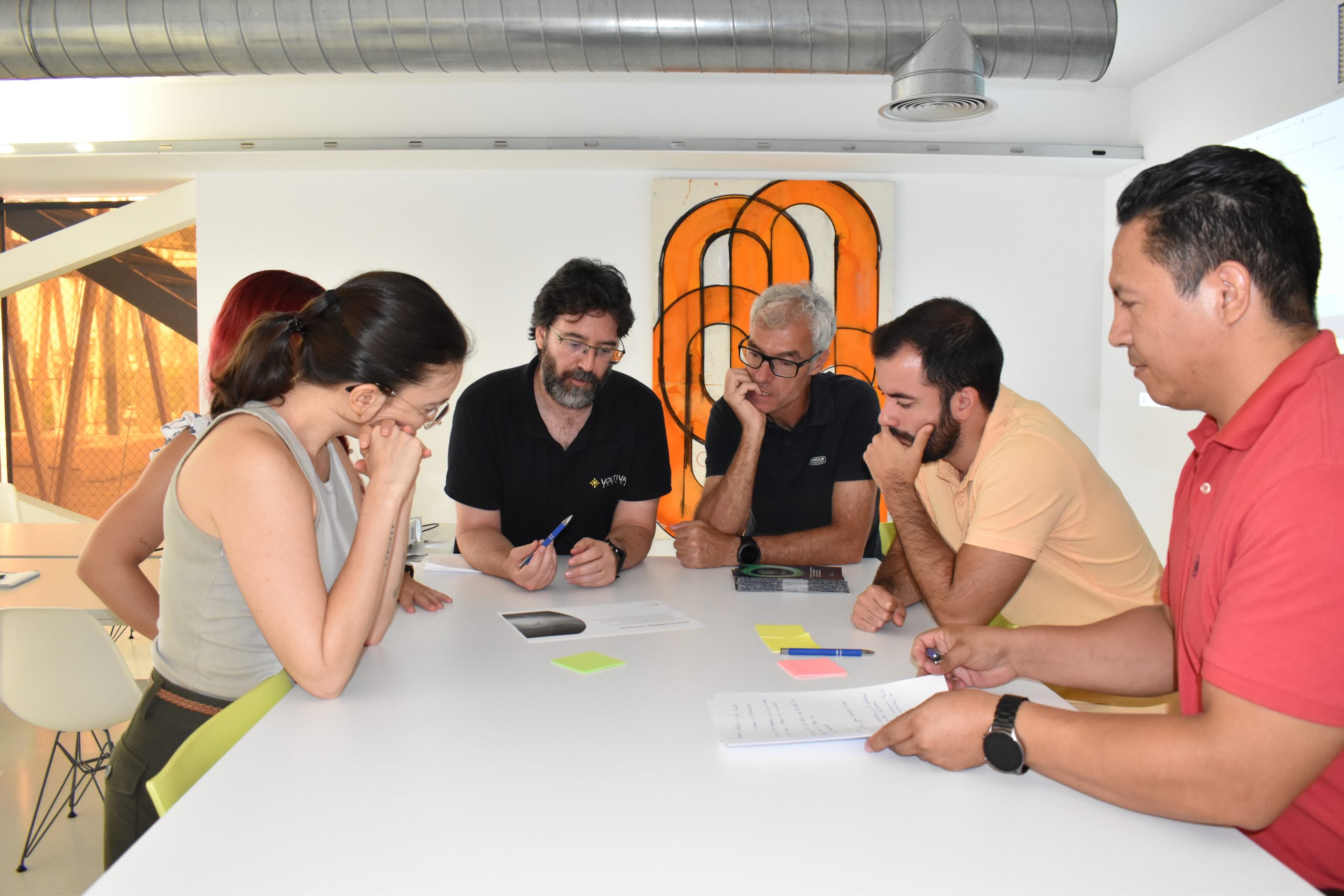
On 18 August 2026, 13 participants joined the second round of DIGITISE Energy Dialogues, organised by Arden Energy in Dublin through an online and in-person format.
The workshop formed part of the project’s ongoing engagement with citizens across its four European demonstration sites in Croatia, Greece, Ireland and Spain. Participants explored the DIGITISE Flexibility Marketplace and End User Applications, discussing their potential advantages, practical limitations and the conditions that would encourage people to use them.
Energy flexibility is not only about money
The Flexibility Marketplace attracted a positive response, particularly once participants understood how it could help households make better use of their energy assets and potentially earn financial rewards from available flexibility.
For households investing in solar panels or other energy technologies, this could offer an additional opportunity to improve the return on their investment. Yet the conversation went beyond financial considerations. Environmental benefits were an important motivation for the Irish participants, who viewed energy flexibility as another way for households to contribute to the wider energy transition. As one participant remarked:
“The more we can do in terms of innovation the better for the climate emergency“. 
Another participant emphasised the importance of understanding the full range of benefits before deciding whether to participate:
“Might be more inclined to consider it if I had knowledge of all the financial and environmental benefits“.
These comments point to an important consideration for the development of energy services: consumers may be motivated by different priorities, and communicating only potential financial rewards could overlook other reasons for participation.
One application, useful information and timely advice
The End User Applications received an equally encouraging response. Participants valued the idea of having household energy information available through a single interface, rather than navigating multiple platforms or interpreting disconnected datasets. They were particularly interested in real-time information about electricity generation and consumption, clear visibility of tariffs and personalised guidance on when to use energy-intensive appliances. Dynamic electricity pricing also attracted attention, as it could help consumers understand when electricity is cheaper and adjust their consumption accordingly.
From interest to real-life participation
Perhaps the clearest sign of the workshop’s positive reception was the participants’ eagerness to try the solutions themselves. One comment captured the mood particularly well: “When can we get access to it!”.
Participants could already imagine using the End User Applications to monitor household electricity generation, compare consumption patterns and identify potential financial benefits. At the same time, they expected these tools to provide genuine additional value beyond what existing energy services already offer.
For DIGITISE, this feedback provides useful direction for the next stages of development and demonstration. Visible benefits, simple interactions, meaningful environmental information and reliable automation could all contribute to greater consumer participation.
The Irish Energy Dialogues demonstrated that the appeal of smart energy services extends beyond saving money. For many consumers, the opportunity to contribute to a more sustainable energy system matters too – provided the technology makes that participation practical and accessible.
Join forces with DIGITISE – the digital energy revolution is just getting started!
Want to know more stories from our DIGITISE Team? Subscribe to our newsletter and follow us on LinkedIn, BlueSky, YouTube and X to keep up to date!
Share
Also read