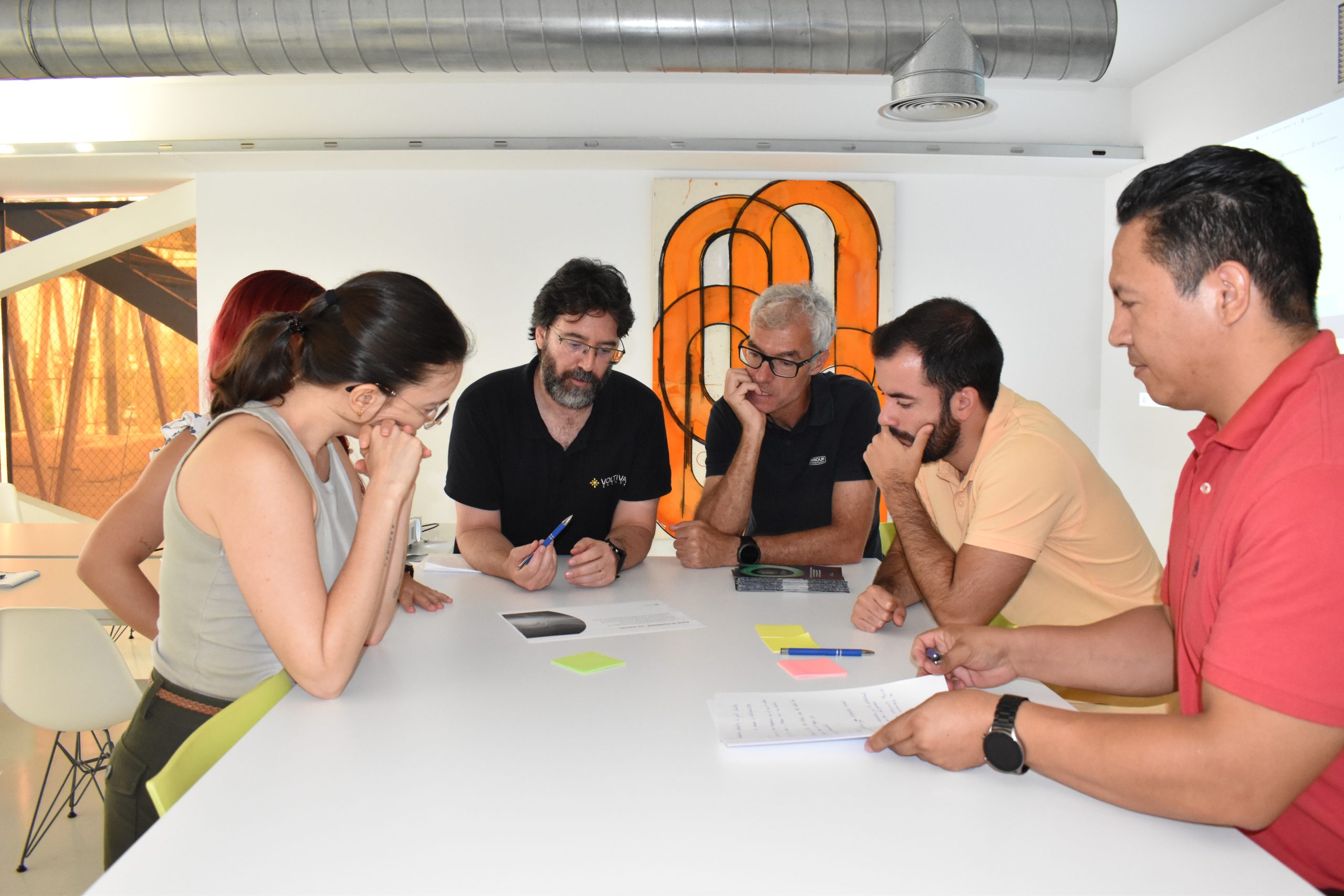
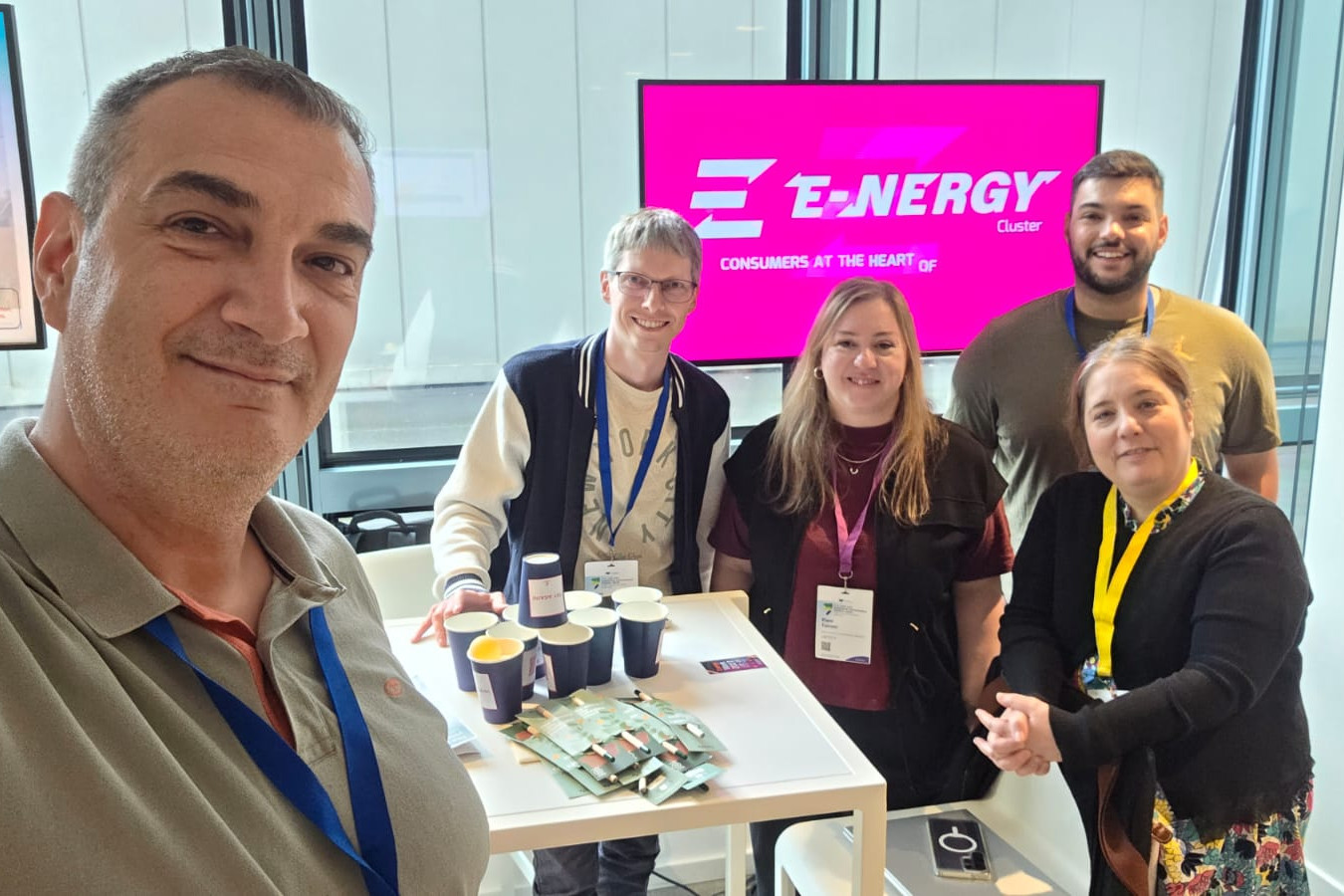
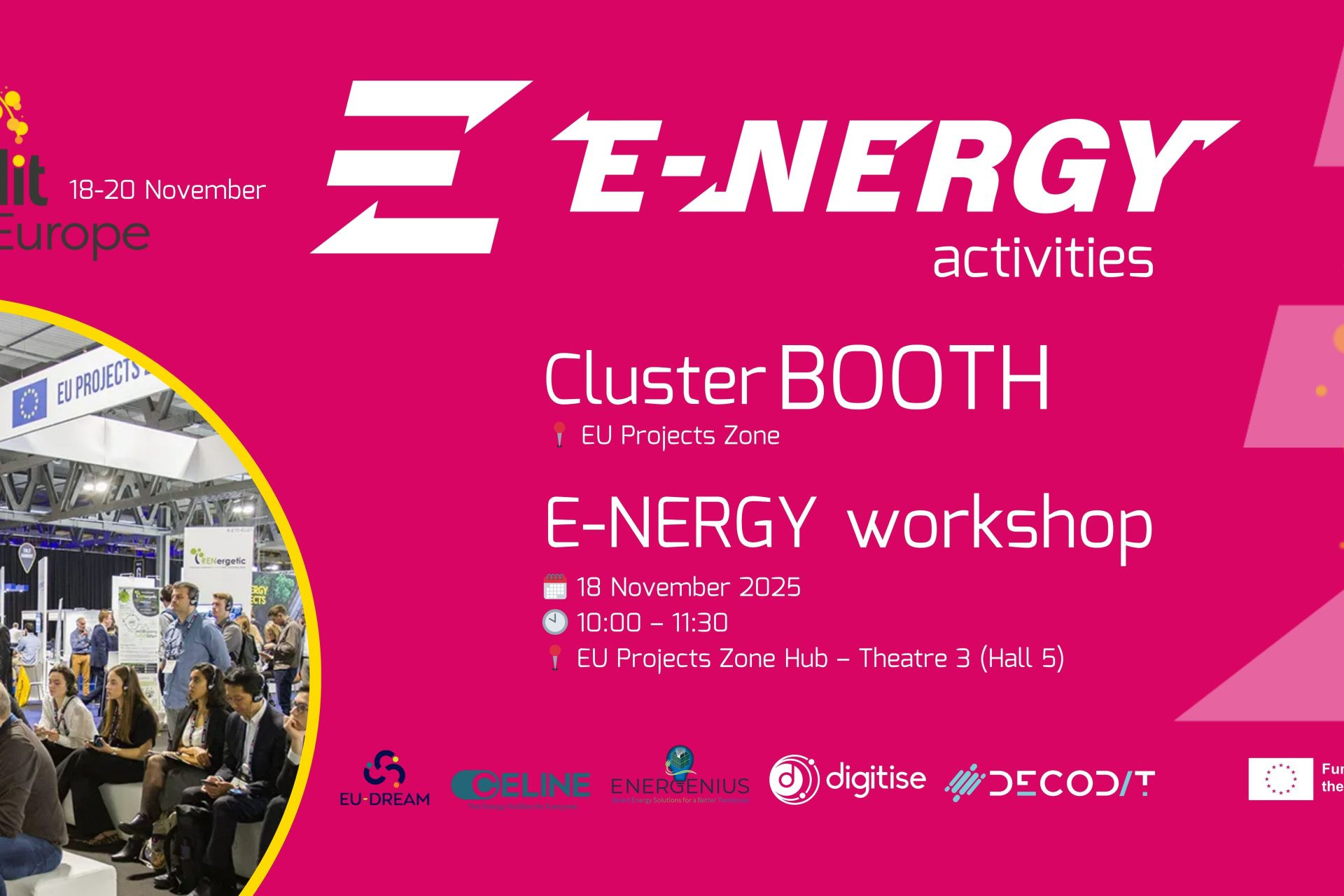
The DIGITISE Energy Dialogues are a series of citizen engagement workshops organised across the project’s four demonstration countries – Croatia, Greece, Ireland and Spain. They provide a space for consumers and prosumers to explore DIGITISE solutions, discuss their expectations and concerns, and provide direct feedback to the project partners. In this second round, the focus moves towards hands-on interaction with the digital tools being developed, helping ensure they respond to real user needs.
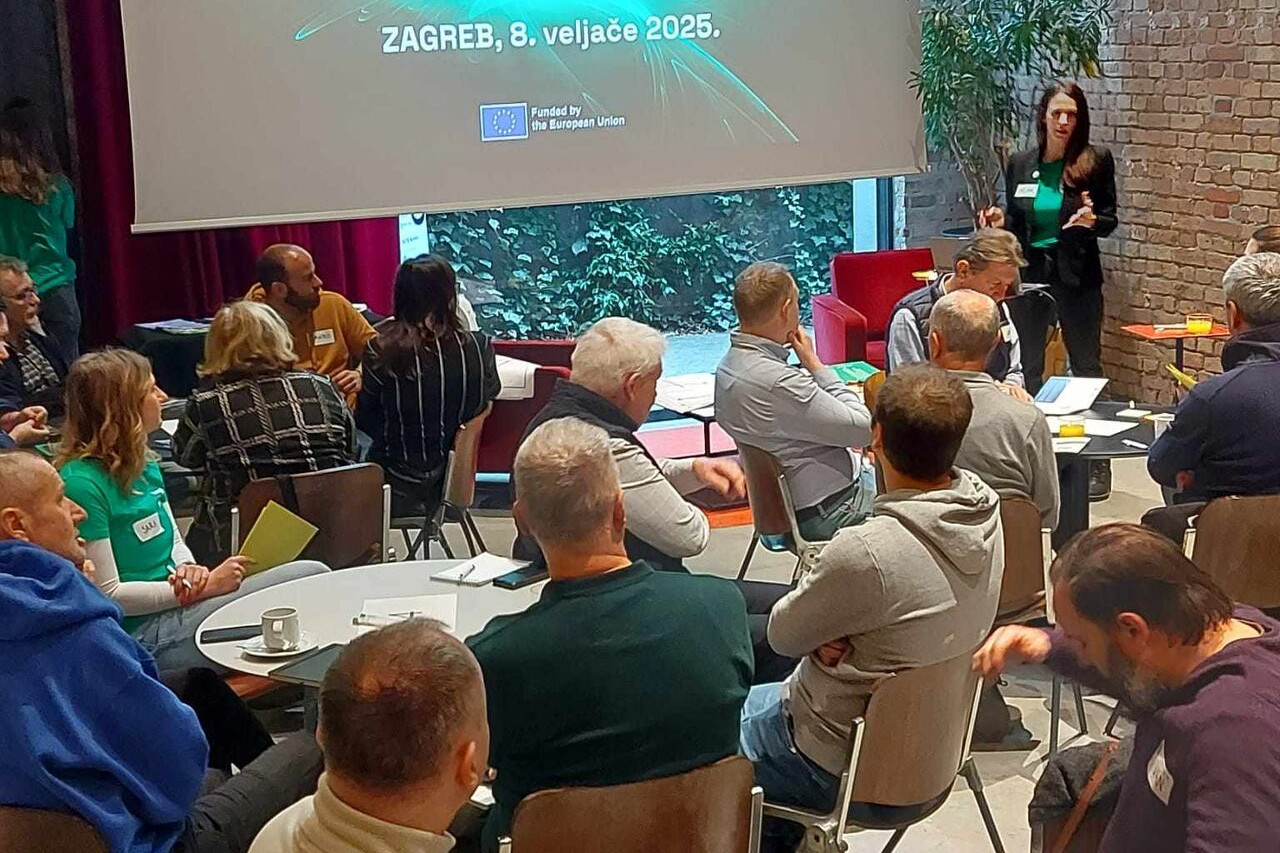
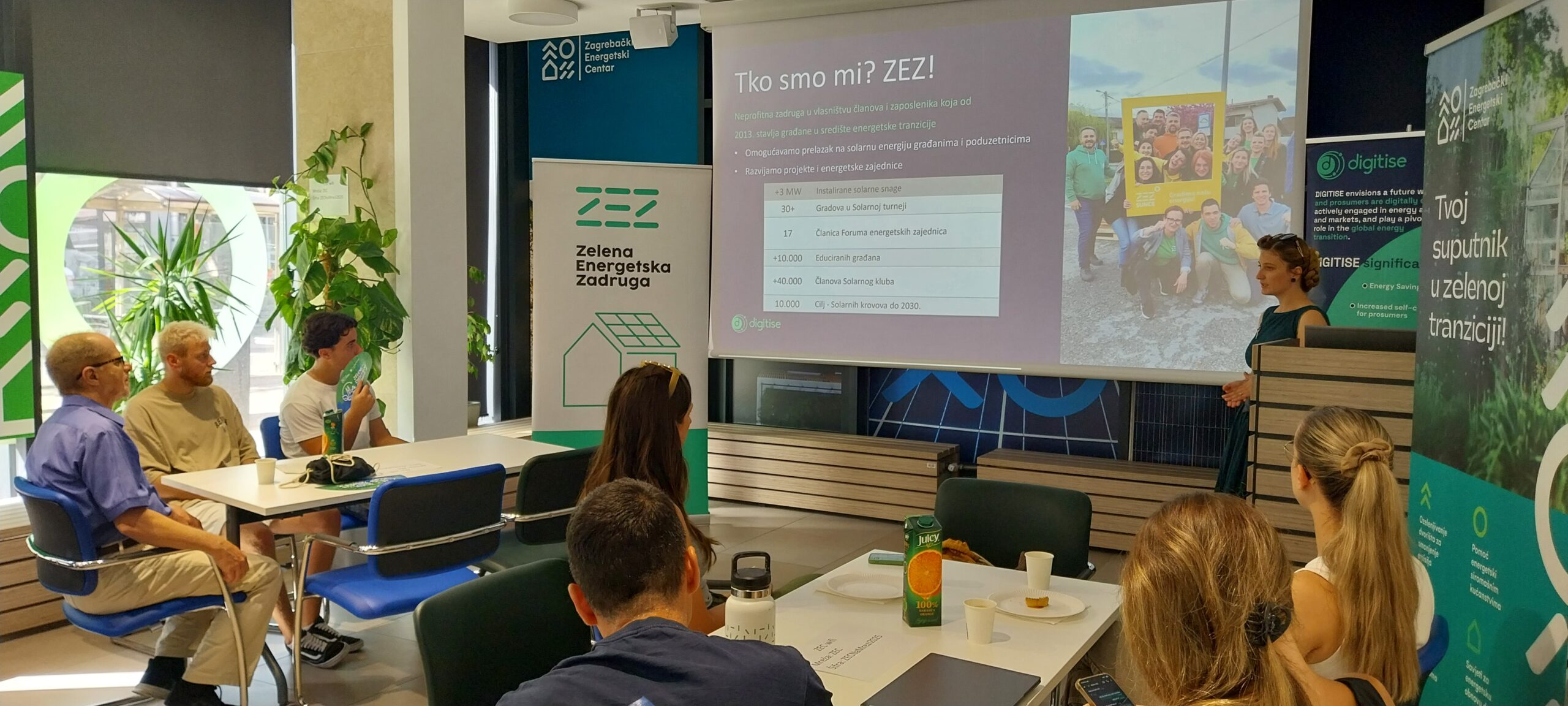
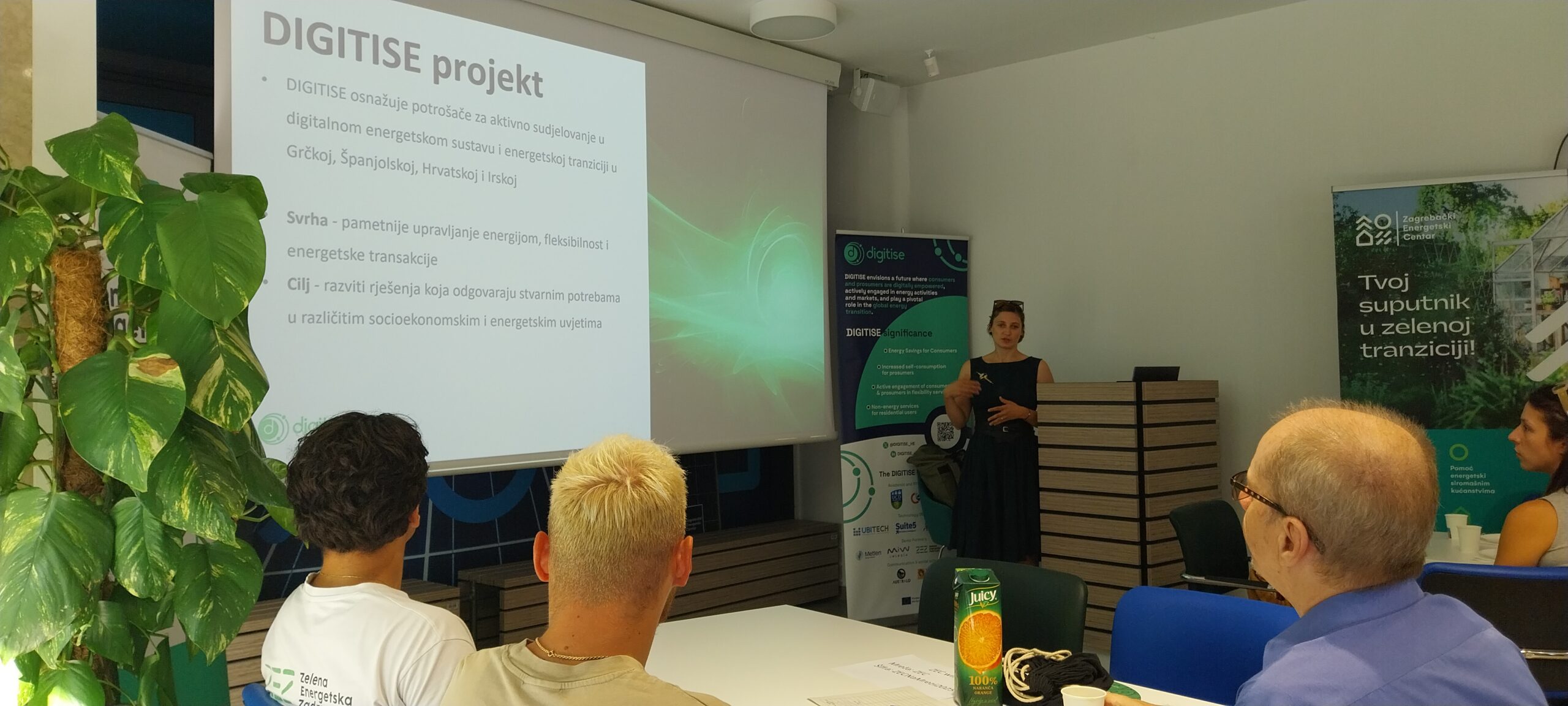
On 31 August 2026, DIGITISE partner Zelena energetska zadruga (ZEZ) welcomed 25 participants in Zagreb for the second Croatian Energy Dialogue. Through live demonstrations, group discussions and interactive exercises, participants explored two DIGITISE solutions – the Flexibility Marketplace and the End-User Applications Dashboard – and shared what would make them useful in everyday life.
From dashboards to practical guidance
The discussions showed that participants see value in energy data when it is presented in a clear and useful way. Alongside graphs and detailed information, they would welcome simple summaries, personalised recommendations, timely alerts and practical tips that could support everyday energy choices and help reduce costs.
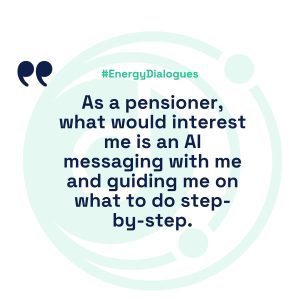
The same need for proactive guidance emerged in the interview conducted during the workshop, where the DIGITISE application was compared to the fitness apps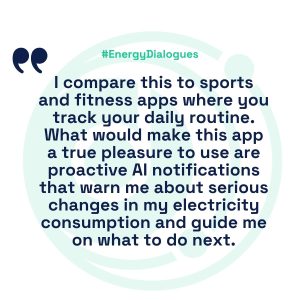 people already use to follow their daily activity.
Financial benefits were also a strong motivation for engaging with the tools. Participants wanted investment guidance to translate technology choices into concrete outcomes. As one prosumer explained, the application should go beyond displaying solar generation but show how investments such as adding a battery could translate into additional annual savings.
Automation on the user’s terms
Participants were almost evenly divided between full automation and manually approving flexibility requestsThis points towards a hybrid approach where users can decide how much control to delegate, set their own limits and override automated decisions whenever needed.
A similar principle emerged around AI. 58% of participants said they would trust AI-generated personalised advice, while others wanted to verify its accuracy first or remained cautious. AI was considered particularly useful for translating complex energy information into straightforward recommendations, provided these are transparent and accurate, data are appropriately protected and users retain the final decision.
Designing for real life, over time
Another important insight concerned long-term engagement. Participants acknowledged that initial interest in checking an energy application could decrease over time and expressed strong interest in smart notifications, periodic summaries and alerts about unusual consumption, potential savings or flexibility opportunities, allowing the service to provide value in the background.
Another key point raised was the risk of excluding older and digitally less-skilled users, as well as households without solar panels, batteries, EVs or smart devices. Simple interfaces, education and technical support will therefore be important alongside the technology itself. Aggregators were most frequently identified as practical operators of the tools, while energy communities, associations and public authorities were seen as important for oversight, user protection, education and trust.
The message from Zagreb goes beyond a list of requested features: citizens want digital energy services that provide clear financial value, practical guidance, simplicity and automation while keeping people in control. Their contributions will now provide valuable input for further refinement of the DIGITISE tools around real household needs and expectations.
WATCH THE FULL REPORTAGE
Want to know more stories on Energy Dialogues and more from our DIGITISE Team? Subscribe to our newsletter and follow us on LinkedIn, BlueSky, YouTube and X to keep up to date!
Share
Also read