Can digital energy tools make a real difference to household electricity bills? In Aspra Spitia, Greece, residents taking part in the second DIGITISE Energy Dialogues made their expectations clear: technology is welcome, but its benefits need to be visible, practical and worth the effort.
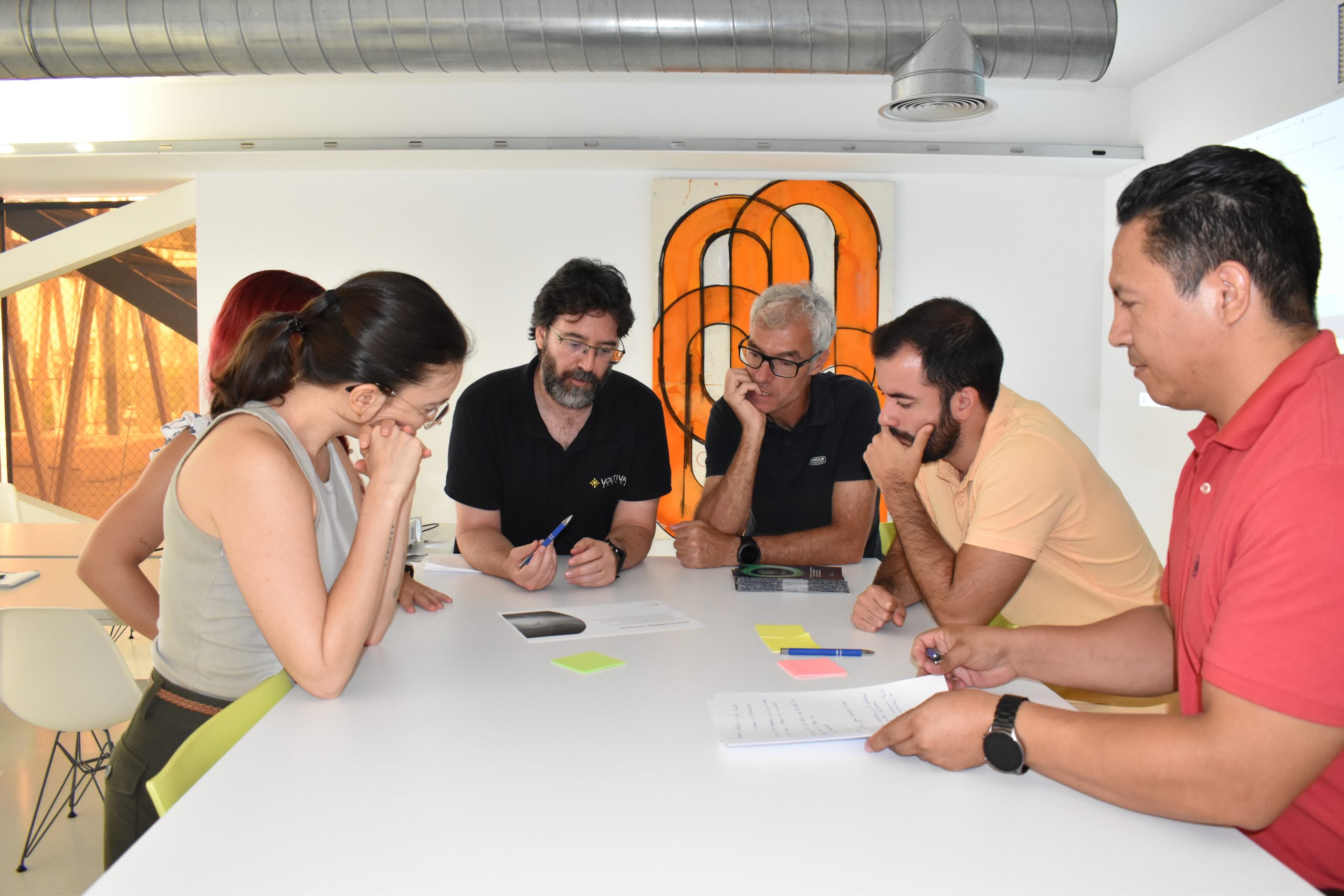
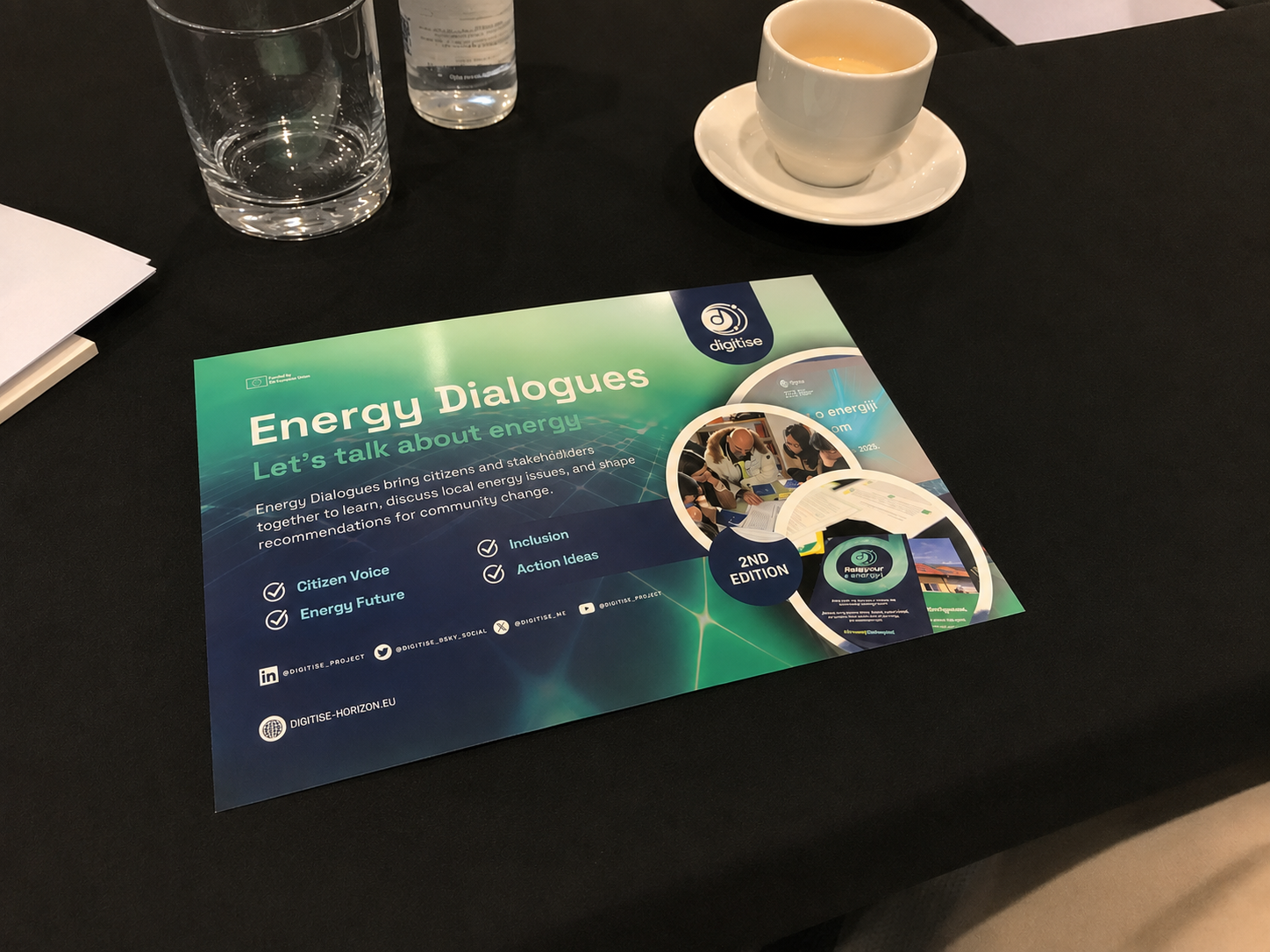
On 22 July 2026, 21 residents of Aspra Spitia, the Greek demo site, joined the second round of the DIGITISE Energy Dialogues, hosted by METLEN. Organised as part of the project’s citizen engagement activities, the workshop offered a valuable opportunity to gather insights on DIGITISE’s digital energy solutions.
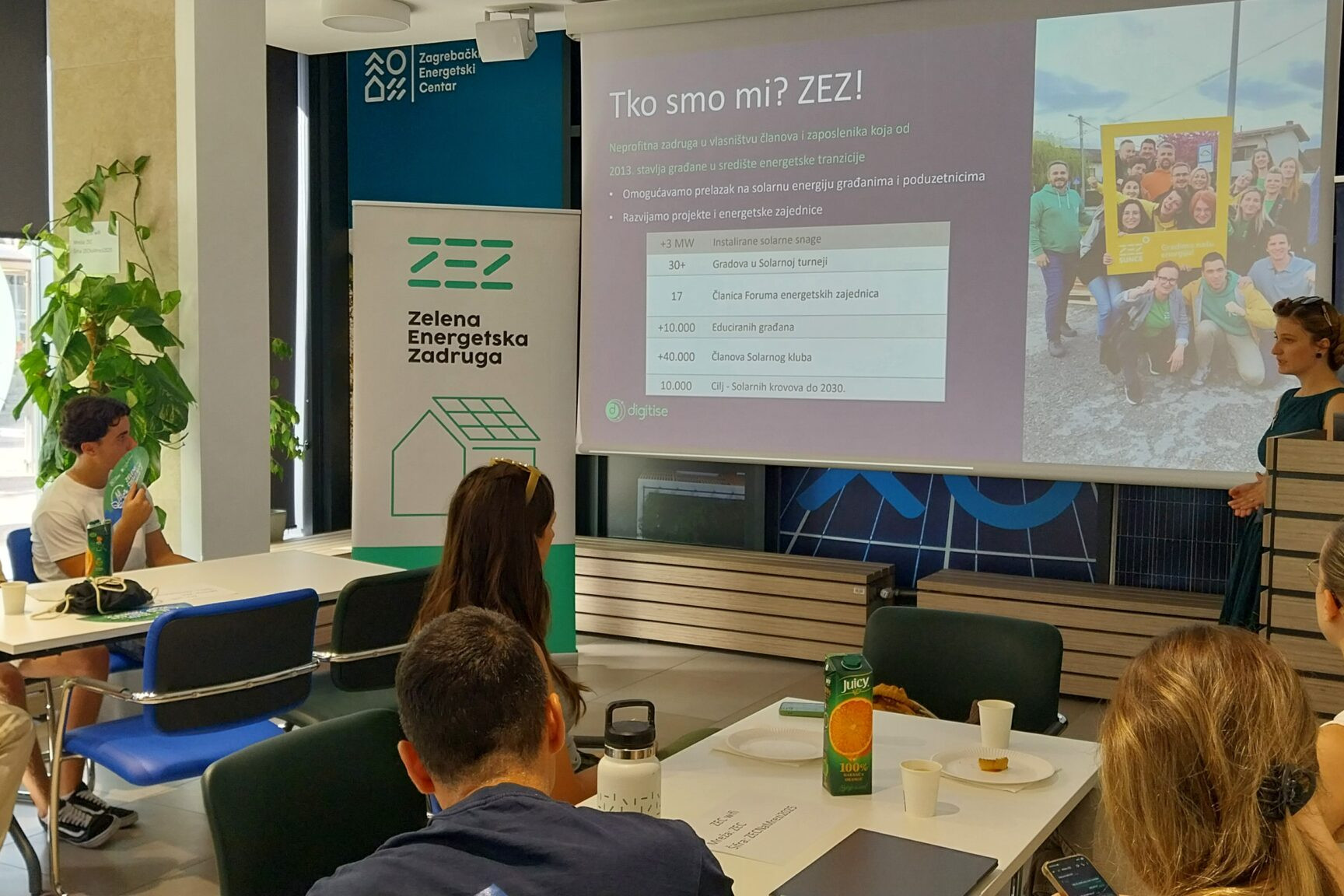
The Energy Dialogues are taking place across DIGITISE demonstration sites in Greece, Spain, Croatia and Ireland. Through discussions, practical demonstrations and feedback sessions, participants contribute their perspectives on how digital energy services should work in everyday life.
From scepticism to practical possibilities
The conversation in Aspra Spitia began with a degree of scepticism. Some participants had previously been involved in European research projects and were uncertain whether the solutions being developed would eventually become available for everyday use. As one participant, a shift worker at Aluminium of Greece, explained:
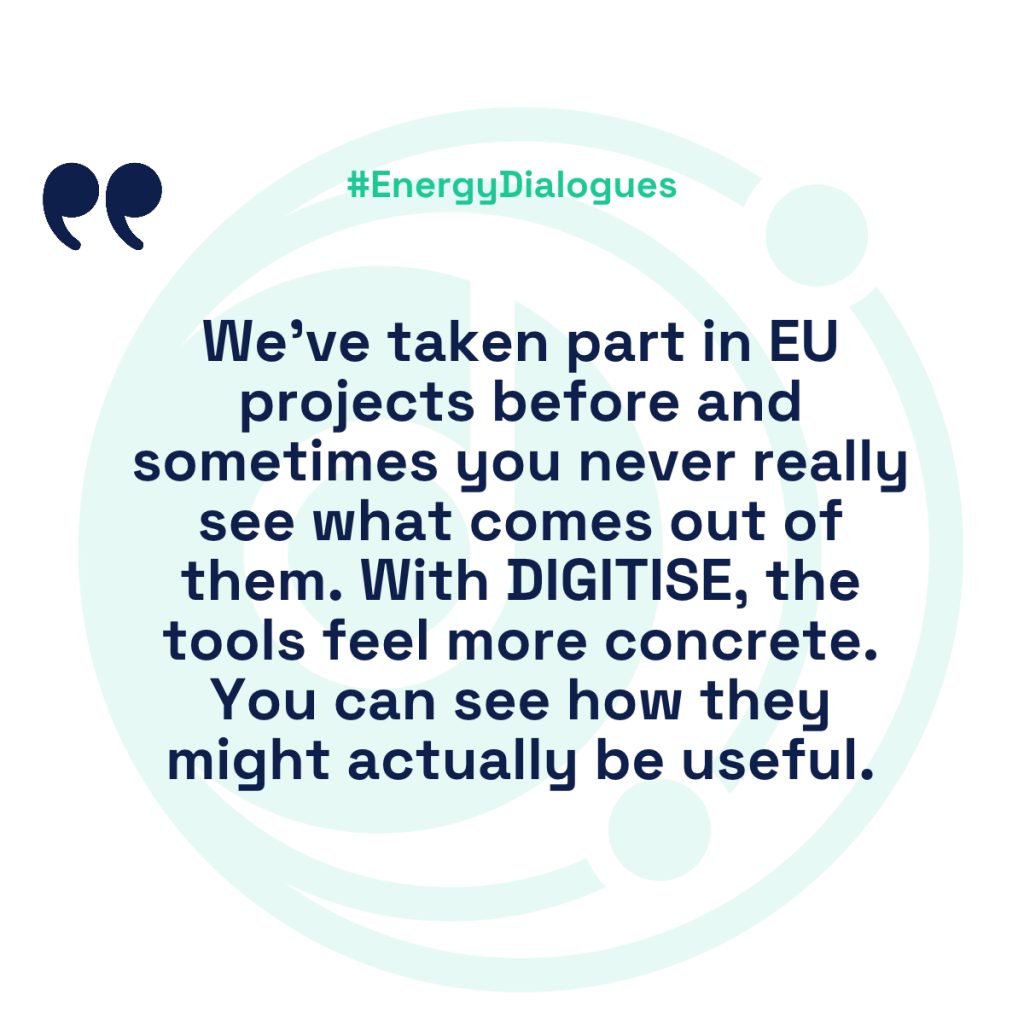 The atmosphere changed as the discussion moved from the project’s general objectives to practical examples of how the tools could support household energy management. Participants were interested in understanding what they could gain from the technology, whether through lower electricity costs, improved consumption monitoring or greater convenience.
Flexibility is attractive when the benefits are clear
The DIGITISE Flexibility Marketplace is designed to enable consumers to participate in energy flexibility services, potentially receiving financial benefits for adjusting when and how they use electricity. For participants in Aspra Spitia, financial savings were the strongest motivation. They also recognised the potential advantages of improved consumption management and a more flexible electricity system.
The discussion also revealed different preferences regarding automation. Of the 21 participants, eight preferred fully automated operation, while twelve wanted to confirm important actions manually. This suggests considerable openness to automated energy management, provided that consumers can understand what the system is doing and retain the ability to intervene.
Energy data should tell a useful story
The End User Applications generated equally practical discussions. Participants appreciated the possibility of monitoring energy consumption, comparing previous periods and receiving forecasts or recommendations. As an IT-related senior manager participating in the workshop observed:
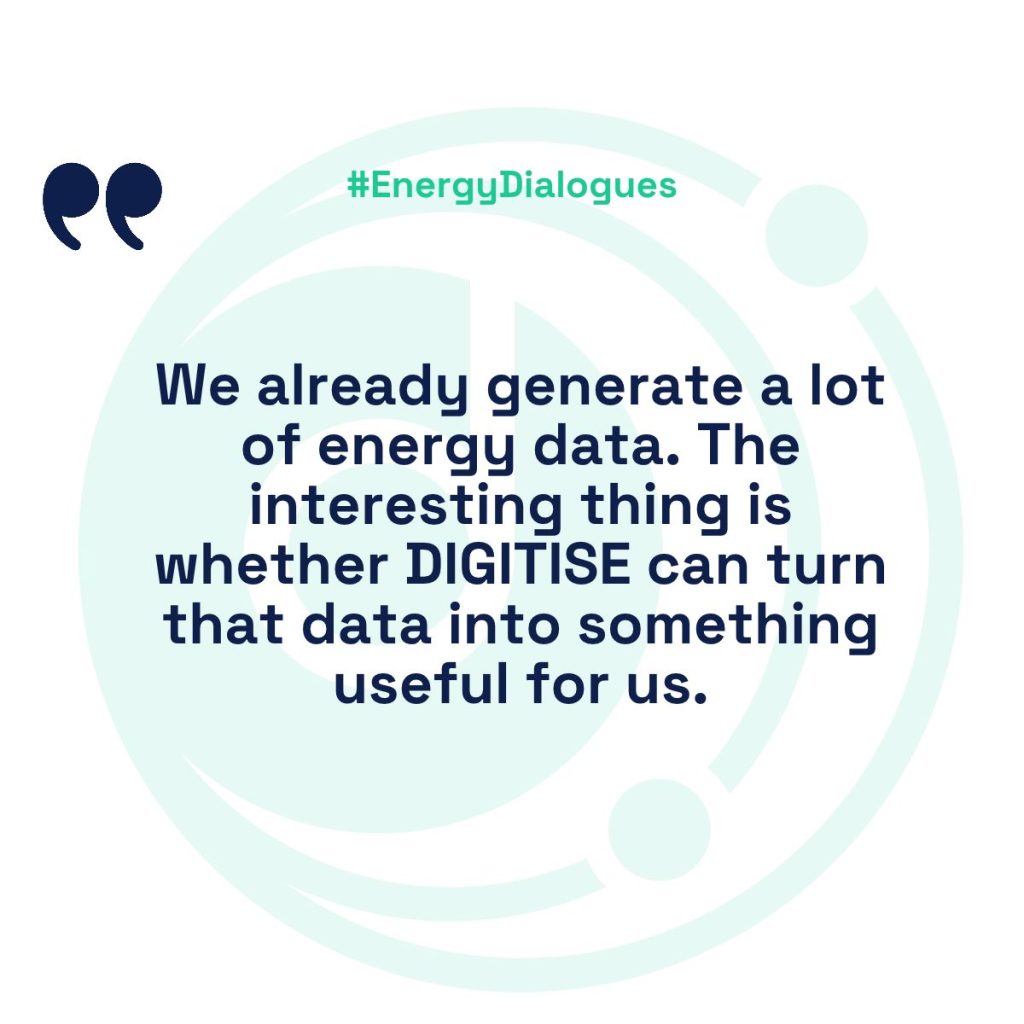 This observation captured one of the workshop’s central messages. Consumers are not necessarily looking for more graphs or technical information. They want to understand why their electricity consumption changes, what actions they could take and how much money those actions might save. Real-time monitoring, personalised recommendations, alerts and consumption comparisons were among the features participants considered particularly valuable. They also welcomed simple device control and automation where these could reduce the time spent managing household energy.
Trust in AI, with consumers retaining control
Artificial intelligence was generally received positively. Participants gave AI-driven personalised energy advice an average trust score of 7 out of 10, suggesting a willingness to use intelligent recommendations and automated services. Participants wanted to understand how their energy data would be used, who could access it and how automated decisions could be adjusted or overridden. They were generally comfortable sharing consumption data when the purpose and benefits were clearly explained. Rather than replacing household decision-making, AI was seen as a useful assistant that could simplify repetitive tasks and help consumers identify opportunities to save energy.
What comes next for DIGITISE?
The Aspra Spitia workshop highlighted an important distinction between developing a digital solution and making it genuinely useful to consumers. Participants were interested in the technology, but their expectations extended beyond technical performance. They wanted straightforward interfaces, visible financial benefits, reliable recommendations and the freedom to decide how much control to delegate to automated systems.
Their feedback provides valuable input for the continued development and validation of DIGITISE solutions. Ultimately, the message from Greece was straightforward: the value of digital energy services lies not in the amount of data they collect, but in how effectively they help people use that information in everyday life.
Join forces with DIGITISE – the digital energy revolution is just getting started!
Want to know more stories from our DIGITISE Team? Subscribe to our newsletter and follow us on LinkedIn, BlueSky, YouTube and X to keep up to date!
Share
Also read