

DIGITISE Project Holds 3rd Plenary Meeting Summing Up the 1st Year of the Progress
The DIGITISE project team convened for its 3rd Plenary Meeting in the scenic setting of the Lisbon shoreline, marking an important milestone in the project’s development. Hosted by Unparallel Innovation, the meeting brought together partners from across Europe to assess progress during the 1st of the project, align on technical goals, and chart a clear path forward for the next phase of the initiative.
With a strong focus on digitalisation and decarbonisation in energy systems, DIGITISE is a Horizon Europe-funded project that aims to design and implement cross-sector digital solutions to support the green and digital transition. The plenary meeting served as a crucial opportunity to take stock of achievements to date and refine the project’s future direction.
The agenda opened with a series of technical sessions, where the team addressed key areas such as requirements analysis, architecture definition, and system verification. Discussions centred on how to develop a reference DIGITISE architecture that is both flexible and adaptable to multiple use cases. The partners also examined the potential of cross-sector services and applications to deliver real-world benefits to end users.

As the meeting progressed, attention turned to the practical aspects of implementing the project's demonstration activities. Site-specific mapping of energy and data assets was reviewed, along with an assessment of equipment gaps and procurement plans. These discussions provided essential insights into the practicalities of deploying DIGITISE technologies on the ground, while ensuring alignment with the project's technical goals.
The final morning of the meeting was dedicated to dissemination, stakeholder engagement, and exploitation planning. Partners reflected on early communication and outreach efforts, and began shaping strategies for leveraging the project’s results. These activities are designed to ensure that DIGITISE has an impact not only during the project’s runtime but also in the long term, supporting broader adoption and innovation in the energy sector.
By bringing together the full consortium, the Lisbon meeting reinforced the collaborative foundation of the DIGITISE project. It provided space for reflection, technical alignment, and renewed commitment to the project’s objectives.
As DIGITISE continues to evolve, the outcomes of this plenary meeting will play a key role in guiding its technical implementation and stakeholder engagement activities in the months ahead.
Watch the short summary from the DIGITISE Project Coordinator – Eleni Tsironi from UBITECH:
Want to know more stories from our DIGITISE Team? Subscribe to our newsletter and follow us on LinkedIn, BlueSky and X to keep up to date!
Do you want to know more about Digitise?
- Advancing Data Interoperability with DIGITISE’s Data Model and Cross-Domain Integration
- The Role of Work Package 2 in Building the Framework for the DIGITISE Project
- Empowering Energy Consumers Through Digital Intelligence: Work Package 5 (WP5) in the DIGITISE Project
- Smart Applications for Smarter Energy Use in DIGITISE
- Guiding Smarter Energy Decisions with Unparallel’s Role in Consumer-Focused Innovation
- Activating Prosumers Through AI: UCD’s Role in Advancing Digital Tools for DIGITISE


Bringing Citizens into the Energy Conversation - An Interview with Benoît Verhulst of Missions Publiques
How can citizens play an active role in shaping the future of our energy systems? In this interview, Benoît Verhulst, Participatory Process Manager at Missions Publiques, shares how his team is supporting the DIGITISE project through inclusive, deliberative engagement. With experience across local and international initiatives, Benoît explains the importance of high-quality dialogue, long-term community involvement, and linking digital innovation with real-life needs. Discover how Energy Dialogues are helping shape digital tools that reflect the voices of everyday users and why building trust is essential for energy transitions across Europe.
D: Tell us a little about yourself, your background and the journey that has brought you to DIGITISE. Can you introduce also the MP’s team working on the project?
BV: Hello! My name is Benoît Verhulst and I have worked for Missions Publiques as a Participatory Process Manager for the past five years. I have worked on deliberative processes at various levels, ranging from the local level in Belgium to international initiatives. Although I have a background in law, it is not really linked to my current role, which mainly involves coordinating projects and partners on large-scale processes. This is my third Horizon project and Digitise is linked to one I previously worked on, which focused on energy communities. I work closely with Antoine Vergne, who is the co-director of Missions Publiques and head of international partnerships. He supervises various Horizon projects and has 20 years' experience in European projects.


D: How does Missions Publiques’ expertise in stakeholder engagement and deliberative processes contribute to the objectives of the DIGITISE project?
BV: Our aim is to help decision-makers create better policies. To achieve this, we use collective intelligence and collaboration. The idea is to give a voice to those who may benefit from or be impacted by a policy because they have expertise and an opinion on it as consumers, citizens and users. Digitise's objective is to create technical/digital support to help consumers better understand and manage the energy system. Before doing this, however, we want to hear from those consumers because they are best placed to indicate what they want and how they would use such support. We go beyond a one-sided poll: here, we try to involve the participants in creating this new technical/digital support because, ultimately, we want it to be useful to them.
D: What role do you play in designing and facilitating community interaction within energy pilots, and how do you ensure inclusive participation?
BV: As mentioned above, we want to go beyond the poll and facilitate in-depth discussions and deliberative processes with the participants. Our role is to ensure that these discussions are of a high quality. Quality is expressed in three ways:
- The logistical aspects of events (venue, catering and communication).
- The methodology of the discussions: discussions must be moderated and facilitated using various discussion and expression methods.
- The content must be linked to the experiences of the participants and must be concrete. To achieve this, we rely on our partners who work with the community on the ground.
Participants to our events (the so called “energy dialogues”) need to understand where we are going, why we are going in that direction, and that we want to do more than make criticisms and observations; we want to find arguments and, eventually, solutions.
With regard to the three aforementioned aspects, particular attention must be paid to inclusivity. On this, we can count on our partners on the ground who already know the participants/targeted community. Nevertheless, the Digitise process is long-term, so we need to ensure that participants at our events stay involved. To achieve this, we will need to diversify the means of interaction and demonstrate the progress of the Digitise project, showing participants how they can contribute.
D: How do the Energy Dialogues activities organised by Missions Publiques influence the development and adaptation of the digital tools in the project?
BV: We envisage the Energy Dialogues as a citizen counterpart to the technical discussions that will take place within the Digitise project. The aim is to establish a permanent dialogue between citizens and our team, so that we can learn from each other. Currently, there are plenty of digital tools with various functions and possibilities, but efficiency and user experience are always the deciding factors. Through this dialogue, we hope to refine the tool throughout the process, ensuring it meets the needs of the participants. Beyond the creation of this tool, the Energy dialogues will also give us a lot of information on how people understand and look at the energy system.
D: In what ways are you working with local authorities and citizens to build trust and long-term commitment to energy communities?
BV: If we want a community to improve its energy literacy, there is no one-size-fits-all solution. We need to work with all the stakeholders involved, especially the citizens. Currently, energy is seen as an individual matter: everyone has their own energy provider, and we only consider the energy that arrives at our house. What we want to emphasize is that energy is a system and a commonality, and that we may need to change the way we view energy in our lives. This will require long-term vision -because the change won’t happen in a few years-and the smooth transfer of knowledge about how energy arrives at our houses. While energy may seem abstract to people, they are interested in the discussion when they see their energy bills rising.
D: What broader impact do you hope your contribution to DIGITISE will have on civic involvement in energy transitions across Europe?
The question of energy, especially access to it, is linked to many socio-economic issues worth exploring that could improve community life. Therefore, we want to link energy policy with other policies affecting citizens. This project also raised the issue of digital literacy: how can digital tools really help people to expand their knowledge and change their habits? This is a significant issue for us because in each project we work on, people want to see more digital tools, applications and software, but often these already exist, and people are either unaware of them or reluctant to use them. Our challenge in this process will therefore be twofold: first, what will make people look for information on an online tool, and secondly, how can we transform that into a change of habits?
D: Thank you for your time!
Want to know more stories from our DIGITISE Team? Subscribe to our newsletter and follow us on LinkedIn, BlueSky and X to keep up to date!
Do you want to know more about Digitise?
- Advancing Data Interoperability with DIGITISE’s Data Model and Cross-Domain Integration
- The Role of Work Package 2 in Building the Framework for the DIGITISE Project
- Empowering Energy Consumers Through Digital Intelligence: Work Package 5 (WP5) in the DIGITISE Project
- Smart Applications for Smarter Energy Use in DIGITISE
- Guiding Smarter Energy Decisions with Unparallel’s Role in Consumer-Focused Innovation
- Activating Prosumers Through AI: UCD’s Role in Advancing Digital Tools for DIGITISE

Scalability is not just as a technical hurdle, but as a multi-dimensional challenge that requires alignment of technology
As part of the DIGITISE initiative, AppArt is helping to develop a smart energy systems by combining deep technical expertise with a human-centred approach. With a strong background in EU-funded R&D and a focus on AI, IoT, and digital infrastructure, the AppArt team brings valuable insight to the project’s mission of empowering consumers in the energy transition. In this interview, we speak with Efthymis Serpetzoglou, R&D Project Manager at AppArt, to learn more about their journey, the company’s contributions to DIGITISE, and how they are designing digital tools that are as practical as they are innovative.
D: Tell us a little about yourself, your background and the journey that has brought you to DIGITISE. Can you introduce also the AppArt’s team working on the project?
ES: With over 11 years of experience in R&D and a PhD in Applied Physics and Optoelectronics, my journey has been rooted in innovation, impact, and cross-disciplinary collaboration. Over the years, I’ve had the opportunity to lead and manage high-impact European projects, bridging cutting-edge technology with real-world applications. Currently, as an R&D Project Manager at AppArt, I coordinate and drive EU-funded initiatives in areas such as 5G, B5G, 6G, cybersecurity, and sustainable energy.
Joining DIGITISE was a natural step for me, as it aligns closely with both my expertise and values. I am passionate about using technology to enable social and environmental change, and DIGITISE’s vision—to leverage cross-sector data, AI, and sovereign data spaces to democratize the energy transition - deeply resonates with that mission.

As for the AppArt team contributing to DIGITISE, we bring a strong mix of technical depth and project experience. One of our main team members is Michail Sfakianos, our Department Director, who holds a Master’s in Telecommunications from University College London and has over a decade of experience as a Software Engineer. Since 2015, he’s played a key role in leading ICT projects. He also serves as Software Architect across multiple solutions, overseeing task planning, solution design, and implementation. The remaining AppArt team consists of skilled software engineers and developers with experience in implementing both commercial and R&D projects. Their background, expertise and professionalism ensure high quality project outcomes. Together, we form a team committed to driving digital transformation with a strong technical foundation and a shared purpose.
D: What is AppArt’s main role within DIGITISE, and what kind of technical development are you leading or supporting?
ES: AppArt’s main role within DIGITISE is centered on the consumer dashboard development and integration of intelligent automation and IoT-based systems that support the project’s vision of a consumer-empowered energy ecosystem. We contribute our expertise in telecommunications, embedded systems, and cloud platforms to ensure reliable, scalable, and secure infrastructure across the project’s technical layers.
Specifically, AppArt is responsible for enabling the visualization and smart control of energy consumption, generation, and forecasting, as well as asset sizing, investment insights, and monitoring of health and security data through the consumer dashboard. This dashboard will be available as a responsive web application, ensuring seamless access and usability across both desktop and mobile devices. Our focus on interoperability, real-time responsiveness, and minimal user disruption aligns with DIGITISE’s goal of making energy participation effortless for consumers.
We also play a supporting role in the deployment and validation of IoT-based control mechanisms at demonstration sites, helping to ensure that DIGITISE solutions are technically robust, user-friendly, and adaptable to different household and energy contexts.
In essence, AppArt serves as a technical enabler, translating DIGITISE’s high-level vision into concrete, functional systems that empower consumers to participate actively and intelligently in the energy transition.
D: How do you ensure that the digital solutions you design are both user-friendly and compatible with the diverse needs of end users and stakeholders?
ES: Ensuring that our digital solutions are user-friendly and adaptable to diverse end-user and stakeholder needs is a priority throughout our development process at AppArt. We approach this challenge from both a human-centric design perspective and a technical interoperability standpoint.
First, we actively participate in co-creation processes and stakeholder engagement activities within DIGITISE. This allows us to gather direct input from users, including consumers, aggregators, and energy communities, early in the design phase. Their feedback helps shape intuitive interfaces, automation behaviors, and interaction models that align with real-world habits and expectations.
From a technical perspective, we emphasize modularity and interoperability. Our solutions are built using standardized, open protocols and architectures to ensure compatibility with a wide range of devices, systems, and data sources. This ensures that the same solution can be adapted to different geographical, socio-economic, and technical contexts without compromising performance or usability.
We also rigorously test our systems in diverse real-life demonstration environments across Europe, enabling us to validate not only the technical robustness but also the user acceptance and satisfaction under various conditions.
Ultimately, it’s about striking a balance - delivering high-performance, secure technology that respects user comfort, convenience, and privacy, while supporting the broader goals of the energy transition.
D: Could you share how AppArt balances innovation and practicality when developing digital tools for smart energy management?
ES: At AppArt, we view innovation and practicality as complementary forces, not competing ones. Our goal is to deliver forward-thinking digital solutions that are grounded in real-world feasibility, scalability, and user value - especially in complex domains like smart energy management.
To strike this balance, we follow a lean, iterative development approach. We start by identifying real user pain points and operational constraints, then design innovative solutions that directly address those - rather than pursuing innovation for its own sake. For example, when developing control systems for distributed energy resources, we combine cutting-edge technologies like AI-driven automation with simple, intuitive interfaces that require minimal user intervention.
We also rely heavily on early validation and testing in real environments, such as those provided by the DIGITISE demonstration sites. This ensures that what we develop not only works in theory but also delivers measurable benefits in practice — such as energy savings, reduced complexity, or better decision-making for consumers and stakeholders.
Moreover, we build with futureproofing and interoperability in mind. By adhering to open standards and modular design principles, our solutions can evolve with technology and adapt to different contexts without constant reinvention.
In short, AppArt’s approach to innovation is always anchored in usability, scalability, and meaningful impact - making sure that what we build is not just new, but also truly useful.
D: What challenges do you foresee in scaling your solutions from pilot level to broader market application, and how are you preparing for that?
ES: Scaling from pilot to broader market application presents a number of challenges, and at AppArt, we’re proactively addressing them to ensure long-term impact and adoption of our solutions.
One key challenge is interoperability across diverse technical ecosystems. While pilots often involve controlled environments, real-world deployments must work seamlessly with a wide array of legacy systems, device types, and data standards. To prepare for this, we design our solutions using modular, standards-based architectures and prioritize compatibility with widely adopted protocols and platforms.
Another major challenge is user engagement and behavior. What works well in a pilot - where participants are often early adopters - may not translate directly to broader audiences. That’s why we place strong emphasis on human-centric design and continuous feedback loops, ensuring our systems remain intuitive, minimally intrusive, and adaptable to different user profiles.
On the operational side, scalability and performance under increased load must be considered early. We're investing in cloud-native infrastructure and edge processing capabilities to ensure our solutions can handle larger volumes of data and devices without compromising responsiveness or reliability.
Lastly, regulatory and market fragmentation across EU countries adds complexity. We’re addressing this by engaging with diverse stakeholders during the project - from energy communities to policy experts - and by contributing to DIGITISE’s broader objectives of shaping consumer-friendly market frameworks.
Ultimately, we see scalability not just as a technical hurdle, but as a multi-dimensional challenge that requires alignment of technology, usability, business models, and policy - and we’re building with that full picture in mind.
D: How does AppArt’s contribution to DIGITISE align with your company’s long-term vision in the digital energy or sustainability space?
ES: AppArt’s contribution to DIGITISE is strongly aligned with our long-term vision of enabling intelligent, sustainable, and user-driven digital ecosystems. We see the energy sector - especially at the intersection with IoT, AI, and cloud - as a key area where digital innovation can have profound social and environmental impact.
Our involvement in DIGITISE allows us to apply and evolve our core strengths in smart systems integration, embedded technologies, and automation, while contributing to a larger mission: empowering consumers to play an active role in the energy transition. This directly reflects our belief that the future of sustainability depends on systems that are not only efficient and intelligent, but also inclusive and easy to adopt.
Through DIGITISE, we are deepening our expertise in areas like distributed energy resource control, data interoperability, and cross-sector digital twins, which are central to our roadmap. At the same time, we’re building relationships and knowledge that support our broader goal of developing scalable, market-ready solutions and digital empowerment.
In short, DIGITISE isn’t just a project for us - it’s a strategic step toward realizing AppArt’s vision of a smarter, and more connected world.
D: Thank you for your time!
Want to know more stories from our DIGITISE Team? Subscribe to our newsletter and follow us on LinkedIn, BlueSky and X to keep up to date!
Do you want to know more about Digitise?
- How to Maximise DIGITISE Visibility: Interview with AUSTRALO (Dissemination Leader)
- DIGITISE Impact Through Communication, Dissemination, Stakeholder Engagement and Business Innovation
- Bringing Citizens into the Energy Conversation: An Interview with Benoît Verhulst of Missions Publiques
- Citizen Energy in Croatia: An Interview with Melani Furlan (ZEZ) on Community-Driven Innovation in DIGITISE
- Leveraging AI, Digital Twins and Collaboration for a Sustainable Tomorrow: An Interview with the Technical Coordinator of DIGITISE
- DIGITISE—More Than Just Advancing Technology: An Interview with Eleni Tsironi (Project Coordinator)

Digital tools for consumers, demand-side flexibility, and efficient energy system by Arden Energy
Arden Energy is an integrated electricity supply and energy management services company with a strong focus on delivering energy cost reductions through smart metering, data analytics, and visualisation technologies. Its approach is based not only on offering competitive tariffs but also on providing customers with tools to actively monitor, manage, and reduce their energy consumption. By combining technological solutions with behavioural insights, Arden Energy empowers consumers to make informed energy decisions. Within the DIGITISE project, Arden Energy applies its expertise in energy performance contracting and digital energy services to demonstrate how digital tools can enhance consumer engagement, enable demand-side flexibility, and contribute to a more efficient and sustainable energy system.
Arden Energy journey to the DIGITISE project
Arden Energy is an integrated electricity supply and energy management services technology company focused on delivering energy cost savings. Our key selling points are competitive tariffs, transparency, and empowerment. We provide a unique smart metering, data analytics, and visualisation offering, which delivers immediate and sustained energy cost reductions to customers. Our differentiation lies in offering overall cost reductions rather than just simple unit rate reductions. Most importantly, we offer unique additional features that are proven factors for influencing effective energy management. Our service empowers customers to take control and reduce electricity costs through a suite of layered services. We provide outsourced energy management and energy performance contracting services to our clients. Gaining and communicating a fundamental understanding of energy use and the opportunities for improving energy efficiency is key to the successful delivery of these services.
The team working on the DIGITISE project pilot site
Arden team comprises:
-
Dr. Fergal Purcell: He holds an engineering degree and a PhD in energy systems analysis, with nearly 20 years' experience in the energy and environmental sectors. Before founding Arden Energy in 2012, he worked with ScottishPower (UK), Project Management Group (Ireland/former Soviet Union), and Ergon Energy (Australia). He has led trials on micro-CHP, solar PV, wind, and energy-efficient housing evaluation. An expert in energy management systems, he sits on ISO TC301 and has contributed to EU projects including EPLACE, TOPAS, and currently Horizon Europe’s Phoenix, focusing on building energy performance and legacy device integration.
-
Dr. Sarah Millar: An environmental scientist and business development expert with over 20 years’ experience in the UK, Ireland, and Australia. She has led initiatives across public, commercial, and social enterprise sectors, from large-scale waste treatment to urban regeneration. As Environmental Manager with Ballymun Regeneration Ltd., she helped the area win over 40 environmental awards. Sarah holds a PhD in Environmental Science, an Honours Degree in Process Biotechnology, and an MBA. Now CEO of the Rediscovery Centre, she has developed a national model for social enterprise and contributes to multiple sustainability-focused research projects.
-
Stephen Wright: He holds a Master’s in Renewable Energy Systems from Loughborough University and has 10 years’ experience as an Energy Engineer. He has worked with electricity suppliers and aggregators, gaining deep insight into system operations. He has contributed to major EU-funded Smart Grid projects including CityxChange, Phoenix, and PVCROPS. Passionate about energy policy, Wright has made several regulatory submissions to the CRU. His expertise also spans IoT and digital electronics, developed during his engineering studies and refined during his time at MICROCHIP Inc.
Arden Energy's role in the DIGITISE project
Arden Energy is an integrated electricity supply and energy management technology company, focused on delivering measurable energy cost savings through smart metering, data analytics, and visualisation tools. Our core expertise lies in empowering customers to actively manage and reduce their energy use, not just through competitive tariffs but through behavioural and data-driven strategies. In DIGITISE, we bring our practical experience in energy performance contracting, smart data services, and customer engagement to support the design and implementation of effective demand response solutions. Our role focuses on demonstrating how digital tools can drive real-time energy flexibility and cost reduction at scale.
The main focus areas of the Irish demonstration site, and how do they align with DIGITISE’s overall mission of consumer empowerment?
The Irish demonstration site focuses on the Ringsend Sustainable Energy Community, a proactive local partner working to raise awareness and engage the community on energy use, efficiency, and sustainability. Their role is central to consumer empowerment, supporting local understanding and participation in clean energy transitions. The pilot includes a wide mix of technologies — heat pumps, EVs, solar PV, and batteries from various OEMs — which enables real-world testing of interoperability, optimisation, and integration challenges. As an energy supplier, we also use this site to trial smart tariffs and introduce consumers to demand response programmes, directly aligning with DIGITISE’s mission to empower consumers through digital innovation and energy flexibility.
How is the project integrating smart energy management solutions within Ireland’s energy system, and what impact is expected for local users?
The DIGITISE project is integrating smart energy management solutions into Ireland’s energy system by combining advanced metering, data analytics, and flexible tariffs with real-world community engagement through the Ringsend Energy Community. By deploying diverse technologies — including heat pumps, EVs, solar PV, and batteries — from multiple vendors, the project is testing interoperability and optimisation in a live setting. Arden Energy supports this integration by trialling smart tariffs and demand response schemes, allowing local users to better understand, manage, and benefit from their energy use. The expected impact is increased energy awareness, greater participation in energy flexibility programmes, and tangible cost savings for consumers.
Irish digitalisation supporting a more resilient and flexible grid
Digitalisation plays a critical role in building a more resilient and flexible grid by enabling real-time visibility, control, and optimisation of energy use at both the individual and community level. Through smart metering, dynamic tariffs, and demand response programmes, consumers become active participants in the energy system, helping to balance supply and demand. The DIGITISE project showcases how this can work in practice, starting with the Ringsend Energy Community. The solutions being tested — from technology integration to consumer engagement models — are designed to be scalable and replicable, offering a pathway for Ireland’s 400+ energy communities to contribute to national renewable energy targets while enhancing local energy resilience and self-sufficiency.
Lessons from the Irish energy market which can be applied across Europe to enhance consumer participation in energy transition efforts
Ireland’s experience offers several key insights that can inform energy transition strategies across Europe, particularly in the realm of consumer empowerment and digital innovation:
-
Community-Led Engagement Is Key: Ireland’s model of Sustainable Energy Communities (SECs), such as the Ringsend Energy Community involved in DIGITISE, demonstrates the power of local engagement. These communities play a crucial role in building awareness, trust, and participation by fostering grassroots involvement in clean energy initiatives. Other European regions can benefit from replicating this model to localise energy transition efforts and make them more inclusive and relatable.
-
Value Beyond Tariffs: The Irish approach, particularly through Arden Energy’s offerings, highlights that empowering consumers goes beyond competitive pricing. Layered services — such as smart metering, personalised analytics, and behavioural insights — allow users to understand and influence their energy usage in real-time. This demonstrates that combining data-driven tools with user-friendly interfaces can greatly improve engagement and energy literacy.
-
Integration and Interoperability in Real-World Settings: Ireland’s pilot projects illustrate the importance of testing a wide array of technologies — from EVs and heat pumps to solar PV and batteries — in a heterogeneous and interoperable environment. This hands-on approach to integration and optimisation provides valuable technical and behavioural insights that are transferable to diverse European energy contexts, especially as legacy systems are upgraded.
-
Smart Tariffs and Demand Response as Incentives: By trialling smart tariffs and flexible demand response programs, Irish pilots show that financial incentives tied to real-time energy behaviour can catalyse participation and system efficiency. This approach could be scaled across Europe to better align consumer incentives with grid needs, especially as renewable penetration increases.
Want to know more stories from our DIGITISE Team? Subscribe to our newsletter and follow us on LinkedIn, BlueSky and X to keep up to date!
Do you want to know more about Digitise?
- Advancing Data Interoperability with DIGITISE’s Data Model and Cross-Domain Integration
- The Role of Work Package 2 in Building the Framework for the DIGITISE Project
- Empowering Energy Consumers Through Digital Intelligence: Work Package 5 (WP5) in the DIGITISE Project
- Smart Applications for Smarter Energy Use in DIGITISE
- Guiding Smarter Energy Decisions with Unparallel’s Role in Consumer-Focused Innovation
- Activating Prosumers Through AI: UCD’s Role in Advancing Digital Tools for DIGITISE
Empowering Energy Consumers through Digital Intelligence - Work Package 5 (WP5) in the DIGITISE Project
The DIGITISE project’s Work Package 5 (WP5), led by UBITECH, is dedicated to developing digital solutions that empower consumers and prosumers in the evolving energy landscape. At its core, WP5 leverages the DIGITISE Household Digital Twin and a suite of applications to enhance energy literacy, support informed decisions, and facilitate efficient energy usage.
One of WP5’s key innovations is the Flexibility Marketplace, designed to foster inclusive participation and fair compensation for all market actors—consumers, prosumers, aggregators, and retailers alike. These tools not only support transparent engagement in energy markets but also allow aggregators and Local Energy Communities (LECs) to configure Virtual Power Plants (VPPs) and optimise their energy portfolios.
Beyond market tools, WP5 uses behavioural data to help consumers better understand their energy habits, enabling highly personalised services. Through smart analytics and digital modelling, WP5 positions users at the centre of the energy transition.
Key Messages and Takeaways
WP5 in DIGITISE is designed with diverse user groups in mind: prosumers, consumers, aggregators, retailers, and local energy communities. One of its standout features, the Household Digital Twin Application, empowers prosumers and aggregators to optimise energy consumption, storage, and flexibility. By leveraging real-time data and predictive analytics, users are guided toward smarter energy decisions that reduce costs and maximise self-consumption.
The Flexibility Marketplace Environment ensures that all actors, from aggregators to end-users, can participate in energy flexibility trading on fair and transparent terms. This marketplace strengthens the role of consumers and prosumers, helping build a more inclusive and rewarding energy ecosystem. In parallel, WP5’s behavioural profiling and insights application transforms users into active participants by offering a clearer understanding of their energy habits and enabling services tailored to personal preferences.
Additionally, aggregators and retailers benefit from the Aggregator Portfolio Management and VPP Configuration Application, which streamlines the coordination of distributed energy assets. This contributes to grid stability and facilitates more dynamic, decentralised energy management. Together, these tools highlight WP5’s contribution to a smarter, more participatory energy transition driven by data and consumer engagement.
Collaboration Across Work Packages
The success of WP5 relies on strong interconnections with other work packages in the DIGITISE project. WP2 plays a crucial role in shaping WP5’s direction, providing foundational use cases, regulatory insights, and end-user requirements that guide tool development and ensure real-world applicability. This allows WP5 to align its applications, such as the Household Digital Twin and Flexibility Marketplace, with practical needs and expectations.
WP3 provides the technological backbone of WP5’s functionality. It delivers the data models, AI services, and governance frameworks needed to enable the seamless integration and interoperability of WP5’s applications. These analytics and data structures are critical for creating responsive, intelligent tools that personalise energy services and support smart market interaction.
Collaboration with WP4 is essential for bringing WP5’s innovations to the end user. The digital twin and profiling tools developed in WP5 are embedded within WP4’s broader cross-sector service offerings, contributing to accessible, personalised, and user-friendly digital energy services. WP6, meanwhile, ensures that WP5 solutions are tested and validated in real-world conditions. Feedback from demonstrations informs the iterative refinement of WP5 tools, ensuring they are robust, effective, and ready for deployment.
Through these synergies, WP5 acts as a central pillar in DIGITISE’s effort to build a fair, decentralised, and consumer-driven energy future.
Case Studies - Joint Activities Driving Synergy
A key case study within WP5 showcases the collaboration between several tasks (T5.1–T5.4), led by UBITECH, S5, and UCD. The Household Digital Twin developed in T5.1 gathers real-time data from energy assets, while T5.4 contributes by applying behavioural profiling to extract user patterns. These insights loop back to improve the digital twin’s simulation capabilities, resulting in better pre-validation of energy decisions.
Meanwhile, the Flexibility Marketplace in T5.3 integrates with T5.2’s portfolio and VPP tools, allowing aggregators to access automated flexibility trading via smart contracts and real-time monitoring.
Another case study highlights the connection between WP5 and WP4, where WP5 tools enhance end-user services by delivering insights and decision support through user-friendly interfaces. The synergy between these packages ensures that DIGITISE applications are both technically robust and publicly accessible.
Conclusion
WP5 stands at the heart of DIGITISE’s mission to make energy systems more responsive, inclusive, and consumer-driven. Through a combination of digital twins, real-time analytics, behavioural insights, and market integration, WP5 equips users with the tools they need to engage confidently in the energy transition.
Want to know more stories from our DIGITISE Team? Subscribe to our newsletter and follow us on LinkedIn, BlueSky and X to keep up to date!
Do you want to know more about Digitise?
- Espinardo: A Spanish Demonstration Site for the DIGITISE Project
- Powering Real-World Change: Demonstration and Impact Assessment of DIGITISE Solutions
- DIGITISE Project Holds 3rd Plenary Meeting: Summing Up the 1st Year of Progress
- DIGITISE Project Input to European Digital Transformation
- It’s About How We Apply Technology to Create an Inclusive and Sustainable Energy Ecosystem
- Digital Tools for Consumers: Demand-Side Flexibility and Efficient Energy System by Arden Energy
Smart Applications for Smarter Energy Use in DIGITISE
In the DIGITISE project, Work Package 4 (WP4) led by University College Dublin, is dedicated to delivering practical, AI-driven tools that help prosumers understand and manage their energy use more effectively. These tools aim to enhance energy literacy, optimise consumption, and support more informed decisions around household energy investments and comfort. With direct connections to the data and analytics developed in other Work Packages, WP4 plays a crucial role in bringing the DIGITISE ecosystem to life.
Overview of WP4 and Its Main Activities
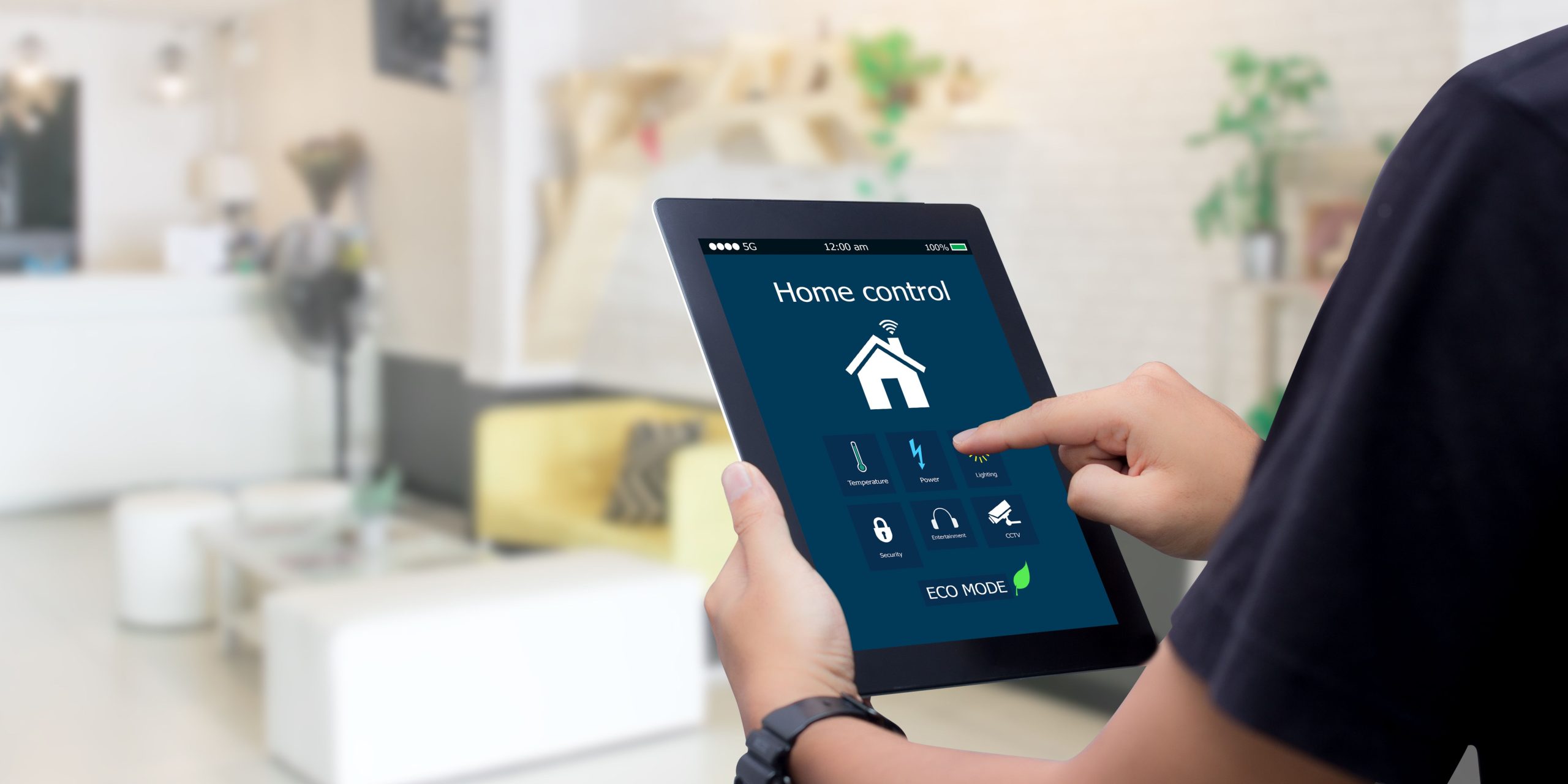
In this Work Package, we are developing a suite of applications adding to the quiver of tools prosumers have towards two goals: advancing their own energy literacy, which in turn also leads to maximizing their energy efficiency. To realize these goals, more specifically, we focus on implementing four applications: An “Energy Savings and Self Consumption Optimization Application”, an “Asset Sizing and Investment Optimization Application”, a “Health and Security Application”, and a “Consumer Application for Personalized Empowerment and Capacity Building”. The first three are adding to the core functionalities of DIGITISE while the last is effectively an end-user application that displays crucial information to the prosumers. In fact, through the last application, prosumers will be able to observe metrics related to the consumption and production of their unit and receive messages or alerts that will enable them to make decisions to improve not only their energy efficiency, but also other aspects of their lives.
Functionality of Each Application
First, the savings and optimization application will provide users with recommendations on adjustments the user can make to achieve better energy efficiency. Additionally, the second application will assist users wanting to achieve long-term financial benefits via proposing tailored possible unit renovations, either in the form of acquisition of new equipment (e.g., an EV asset) or substituting existing devices. Last, the health and security application will inform users regarding their current level of well-being and advise on how to better their living conditions, based on the users’ a-priori specified preferred levels.
Interconnections with Other Work Packages
To fully implement our four applications, we need to join forces with other Work Packages as well. First, there is a close relation between the AI Analytics that will be designed in WP3 and the first three applications, as input will be needed to generate the tailored recommendations. Furthermore, all the applications will source their input data from the DIGITISE data space which will also be delivered in WP3 and some will utilize other components from WP5.
Key Messages to Highlight
- The applications developed in WP4 will empower prosumers to act towards tangibly bettering their energy consumption and living conditions.
- The practicality and easy-to-use design will render deciding to take such actions an effortless process, blending seamlessly with other everyday activities and ultimately becoming a habit.
- With quantifiable information, the users will be able to attain further financial benefits from possible energy investments they can make, based on their own asset and behavioral profiles.
Further Integration Across Work Packages
This Work Package functions as a standalone from the core implementation of the technical components’ perspective, however requires the assistance of other work packages to fully evaluate its functionality. Namely, the applications’ measurement inputs will be received directly from the data space developed in WP3 and the prosumer profiling alongside the digital twin model outputs, both developed in WP5, will be additionally utilized as well.
DIGITISE Apps
Energy Savings and Self-Consumption Optimization Application
This application will optimize energy management across the household environment and the different energy/ flexible assets towards maximizing self-consumption and reducing energy costs. The application will step on AI energy forecasts and the flexibility profiles delivered in WP3, real-time data streams from the consumer side (metering, submetering, IoT, generation, storage, EVs) and highly-efficient optimization algorithms to facilitate (i) monitoring and assessment of the energy performance of prosumer assets (energy assets, building systems, along with EVs and charging stations), (ii) define optimal control strategies for enhancing energy savings and maximizing self-consumption, and (iii) further optimize energy performance by continuously assessing the effectiveness of applied strategies and re-deploying updated and more effective ones. In addition, it will deliver an advanced feature for smart control automation towards promoting the fully automated participation of consumers in energy activities, in a human-centric, effortless, and non-intrusive manner. In this context, the feature will be responsible for breaking down the high-level control strategies defined in the project, into fine-grained control signals at the level of specific devices. Such control signals will be executed automatically towards realizing significant energy and economic benefits for the consumers; while fostering social acceptance through the human-centric features the app will offer leveraging on robust baseline user behavioural profiles.
Asset Sizing and Investment Optimization Application
This application will support household level financing of investments in renovation, RES and flexible assets. The application aspires to evidently guide consumers in further enhancing their involvement in energy activities and their role in the energy transition, through the formulation of alternative future scenarios that involve investments in RES, renovation, storage, and EV assets. Through the interaction with the Household Digital Twin, scenarios will be analyzed and assessed in appropriate time horizons, utilizing and assortment of energy and financial related KPIs (addressing RES size, flexibility capacity, renovation potential) and correlating them with relevant financial sector data for the economic assessment of the corresponding investments (i.e., payback period, IRR and ROI, WACC, energy cost savings, flexibility revenues in the midterm). In addition, the application will enable retailers to support end-users at investments in energy transition and thus promote their transforming business role by incorporating in the analysis financing models as made available form the finance industry.
Health and Security Application
This application will realize intelligent, human-centric, and automated control strategies over building assets, towards enhancing the health and security in the household environment. AI consumer profiling analytics (occupancy patterns, daily and seasonal use of the household, comfort profiles) delivered in WP5 and real time data streams for sub-metering devices as well as indoor conditions monitoring will fuse the application to enable monitoring and assessment of the health conditions and security within building, further enabling smart control automation functionalities in case of poor indoor or abnormal, non-secure conditions. In lack of automation, smart suggestions and recommendations will be made available through the Consumer Application in a seamless way.

Consumer Application for Personalized Empowerment and Capacity Building
This application is where the omni-channel UX interfaces will be designed and developed, which will integrate the results of the applications comprising the DIGITISE solution to set the consumer interaction layer. It will include appealing visualizations which will provide the interfaces between consumers/prosumers and the different applications, while also dealing with all the integration needs, which include the technical integration but also the conceptual integration aspects like the end-user prioritization of the services. Omni-channel experiences will be provided both in terms of cross devices experience but also in terms of diverse means of message communication from the cross sectorial services. Access to the services will be provided through multiple devices and viewports like web and mobile interfaces, and in-home displays with consumers to benefit from a seamless experience and consistent messaging across all these channels and tools. Real time information, explainable AI results, valuable insights, and context-aware messages and recommendations generated by the services will be based on user prioritization and will be consistent throughout all the involved sectors. Maintaining a single view of customers across all channels and services will maximize the full potential of personalization, thus promoting digital literacy and empowerment.
Why These Tools Matter: Data-Driven Justification
To further justify the urgent need and timeliness of our applications, we present below data extracted from selected questions addressed to prosumers and aggregators that showcase the importance of developing our proposed suite of applications. These questionnaires were carried out as part of a WP2 task.
More than 80% of ICT providers feel that AI analytics are not only useful for energy but also for other applications (Q46), and all of them expect it to have a neutral or positive impact in terms of improving household energy management strategies (Q52). More importantly though, the input from the prosumers themselves is illuminating. First, they already utilize smart energy devices (e.g., smart thermostats and lighting) (Q2) and would be 80% would be willing to install additional home equipment to better manage their energy consumption (Q4). More importantly only less than 4% would reject the idea of using a service that would automatically suggest and implement energy-saving measures in their homes (Q14). Another aspect prosumers highly indicate relates to their living conditions. About 67% of them agree that it is important to track the environment footprint of their energy usage (Q11), would like to be provided with insights on the health and safety of the indoor air quality of their household (Q15), and would be interested in a smart system that integrates health, security, and energy applications (Q16).
Additionally, we received input on the type of functionalities this system should support. First, 83% of them would like to understand better their consumption behavior if possible (Q35). Additionally, around 76% would prefer to set and monitor personalized energy-saving goals (Q17) and to achieve them, they would trust the system to automatically adjust the already-installed smart devices (Q25). Last, only 8% would not like to receive information on possible future household investments, leading to ultimately better energy efficiency and long-term financial gains (Q27).
Want to know more stories from our DIGITISE Team? Subscribe to our newsletter and follow us on LinkedIn, BlueSky and X to keep up to date!
Do you want to know more about Digitise?
- Advancing Data Interoperability with DIGITISE’s Data Model and Cross-Domain Integration
- The Role of Work Package 2 in Building the Framework for the DIGITISE Project
- Empowering Energy Consumers Through Digital Intelligence: Work Package 5 (WP5) in the DIGITISE Project
- Smart Applications for Smarter Energy Use in DIGITISE
- Guiding Smarter Energy Decisions with Unparallel’s Role in Consumer-Focused Innovation
- Activating Prosumers Through AI: UCD’s Role in Advancing Digital Tools for DIGITISE

DIGITISE impact through Communication, Dissemination, Stakeholder Engagement, and Business Innovation
WP7 is the Workpackage in charge of the project’s communication, dissemination, stakeholder engagement and business innovation. Led by AUSTRALO, with Mission Publiques responsible for the Stakeholders Engagement, Ubitech overseeing Exploitation and Business Innovation, and MIW Energia leading the tasks related to Replication and Scale Up.
In these first nine months of the project, in this WP, we focused our main effort on Dissemination, Communications and Stakeholder engagement, by increasing the online presence via interesting and engaging content, as well as creating with sister projects a new cluster, called E-NERGY.
In DIGITISE, Communications and Dissemination are key to the project’s success.
All key scientific stakeholders must be informed about DIGITISE, its objectives and goals. However, the project’s audience cannot be limited to the scientific community: DIGITISE envisions a future where consumers and prosumers are digitally empowered, actively engaged in energy activities and markets, and play a pivotal role in the global energy transition.
For this reason, all the dissemination and communication activities were tailored to reach both audiences, to explain in a clear way what the project is about and what are the benefits for the citizens. On the project’s social media, different series covering several aspects of the project were carried out: from the objectives explanation to the project in a nutshell, passing from the DIGITISE solutions and benefits to the DIGITISE Glossary and Significance to make sure everything is explained in a coherent and comprehensible way.
With an appealing website, captivating branding, a distinctive look and feel, and informative PR and video materials, WP7 effectively communicates the project’s vision, engages its target audience, and enhances its market presence.
And the best is yet to come!
Our technical partners are working to present scientific papers at international conferences and submit them to prestigious journals. Our partner, University College Dublin, has already published one paper related to the work in DIGITISE; it is available on our website in the Publications section.
In DIGITISE, we value our community.
DIGITISE, together with its sister projects funded under the call HORIZON-CL5-2023-D3-03-04— CELINE, DECODIT, ENERGENIUS, and EU-DREAM — have joined forces to create the E-NERGY Cluster. This collaboration aims to empower consumers in the energy sector by using digital technologies to make energy information more accessible and engaging. By working together, the projects seek to break down barriers, fostering greater public participation in the energy transition.

The name E-NERGY reflects the cluster’s mission, blending “energy” with the simplicity of e-mails. Just as e-mails revolutionised communication, E-NERGY strives to make energy data seamless and easy to access. This initiative is designed to democratise energy information, enabling individuals and communities to make informed choices and actively contribute to a more sustainable future.
Through this partnership, E-NERGY will share innovative tools and systems that place consumers at the centre of the energy transition. By making the process inclusive and intuitive, the cluster sets a foundation for a digitally empowered energy sector where everyone has the opportunity to participate.
The projects will soon organise joint dissemination and communication activities, such as workshops, events and podcasts. Stay tuned for more!
Beyond dissemination and Communication: Consumers and Stakeholders Engagement
At DIGITISE, we believe that innovation is most impactful when it is created with the people it serves. That’s why we’re building a strong foundation for consumer and stakeholder engagement from the very start. Our goal is to foster a collaborative co-innovation process that ensures the acceptance and long-term success of DIGITISE’s digital solutions.
To achieve this, DIGITISE is developing a highly effective engagement strategy that brings together diverse voices—consumers, businesses, and industry experts—through dedicated engagement groups. These groups will:
- Empower Consumers – Raising awareness and encouraging active participation in shaping and validating digital services, ensuring they meet real-world needs.
- Involve Business Stakeholders – Creating an open collaboration space where companies can contribute to technology co-creation, customization, and validation, aligning innovation with market demands.
By fostering dialogue, co-creation, and mutual learning, DIGITISE is paving the way for digital solutions that are widely accepted, effectively implemented, and successfully adopted.

The Energy Dialogues in the DIGITISE project, conducted in 4 demonstration sites in Greece, Croatia, Spain, and Ireland, establish a structured framework for consumer and stakeholder engagement from the outset. Energy transition is not just a technological shift but a socio-technical transformation requiring active collaboration. By fostering inclusive spaces, the project enables consumers, industry stakeholders, and policymakers to exchange insights, address concerns, and co-develop digital energy solutions aligned with societal needs.
At the core of DIGITISE is a co-innovation approach, ensuring solutions are developed with users, not just for them. These dialogues integrate first-hand perspectives on energy consumption, accessibility, and decision-making, fostering trust, transparency, and early-stage engagement - key factors for the long-term adoption of digital innovations.
Beyond discussions, Energy Dialogues offer practical benefits, helping stakeholders navigate energy system complexities and fostering collaboration between technical developers, industry leaders, policymakers, and end-users.
All activities are supported by dedicated dissemination campaigns, including blog posts, social media campaign, digital and printed materials, and interviews which provide feedback not only on the DIGITISE project solutions but also on the general view on energy transition.
Want to know more stories from our DIGITISE Team? Subscribe to our newsletter and follow us on LinkedIn, BlueSky and X to keep up to date!
Do you want to know more about Digitise?
- Espinardo: A Spanish Demonstration Site for the DIGITISE Project
- Powering Real-World Change: Demonstration and Impact Assessment of DIGITISE Solutions
- DIGITISE Project Holds 3rd Plenary Meeting: Summing Up the 1st Year of Progress
- DIGITISE Project Input to European Digital Transformation
- It’s About How We Apply Technology to Create an Inclusive and Sustainable Energy Ecosystem
- Digital Tools for Consumers: Demand-Side Flexibility and Efficient Energy System by Arden Energy

Citizen Energy in Croatia: An Interview with Melani Furlan (ZEZ) on Community-Driven Innovation in DIGITISE
Today, we are talking with Melani Furlan, a Community Energy and Solar Design Engineer at ZEZ, to learn more about the Croatian demonstration site for the DIGITISE project. With seven years of experience at ZEZ, Melani has been actively driving social and technological innovation to support locally produced and community-managed renewable energy systems. In this interview, she shares insights into how the Croatian demo site contributes to DIGITISE’s mission, highlighting its role in empowering communities, enhancing energy efficiency, and integrating smart digital technologies into local energy networks.
Q: Can you tell us more about your organisation and its expertise? What role does your company play in DIGITISE?
MF: Zelena energetska zadruga (ZEZ) is an energy cooperative situated in Zagreb, Croatia. We have been dedicated to promoting and developing community energy ever since we started 11 years ago and we do this in three basic ways: First, we help citizens to set up their solar power plants in their homes. Second, we open space for citizens to become co-owners in solar power plants that are on public buildings or public areas. Thirdly, through advocacy and numerous educational activities, we strive to make the legal framework as simple and as favorable as possible for citizen energy and energy communities.
On the Croatian market, we have a nonprofit service offering turnkey solutions for solar PV systems. Our key customers are part of our community, namely homeowners looking to cut their electricity bills through sustainable investment in solar PV for self-consumption.
Q: Can you introduce the team working on the DIGITISE project at your pilot site?
MF: The ZEZ team working on the DIGITISE project brings together a diverse range of expertise, encompassing economics, sociology, and engineering. Leading the preparation of the DEMO site are Melani and Patrick, both power system engineers. Melani, a part of ZEZ for seven years, has been actively driving social and technological innovation to support locally produced and community-managed renewable energy. Patrick, who joined the team a year ago, has quickly integrated into the project and is making significant contributions toward its development.
Erica, an environmental engineer, originally conceived the idea behind the Croatian DEMO and ensured its alignment with the objectives of DIGITISE. Supporting the financial aspects of the project, Anita and Tatjana, our financial officers, play a key role in ensuring that we remain on track with the budget, while also providing continuous support for all DEMO-related activities.
Q: What makes the Croatian demonstration site unique within the DIGITISE project, and how does it address local energy challenges?
MF: Croatian demonstration site is located in the central region of Croatia. It brings various assets to the project, namely the household prosumers with installed rooftop solar PV, batteries, heat pumps, EV chargers etc. Twenty ZEZ customers who are already part of our community, will be actively engaged with DIGITISE, and share with the project their energy data, specific needs and expectations. As the end-users, they will get the opportunity to optimize their self-consumption and maximize energy savings, as well as learn about the options for additional market activities, such as energy sharing and flexibility, whether as individuals or within energy communities.
Q: How is DIGITISE helping to foster community-driven energy initiatives in Croatia, particularly through citizen participation and prosumer engagement?
MF: In Croatia, a new Renewable Energy Sources and High-Efficiency Cogeneration Act is currently in preparation and is expected to be open for public consultation in the first half of 2025. The new legislation is likely to introduce changes to the net metering model for households, which could result in a longer payback period for solar PV installations. To maintain the momentum in citizen investments in solar for self-consumption, it is crucial to introduce new market mechanisms and tools as soon as possible. DIGITISE will support the development of more flexible and decentralized energy management, reducing reliance on traditional support schemes like net metering.
Q: Croatia’s energy market is undergoing significant changes with decentralization and renewable energy adoption - how do you see digital solutions playing a role in this transition?
MF: Digital solutions will play a key role in Croatia’s energy transition by enabling a more flexible, decentralized, and consumer-driven energy market. As net metering models evolve and energy communities gain traction, digital tools will be needed for optimizing self-consumption and energy flows, monitoring system performance, introducing individualized and reliable new services etc.
As our energy market becomes more decentralized and data-driven, consumers, and energy communities will need to have a basic understanding of digital tools to fully participate and gain benefits. Therefore, digital literacy is highly relevant to the success and replicability of digital solutions to be developed in DIGITISE. Education and accessible, easy to use interfaces will ensure that all citizens, not just tech-savvy ones, can benefit from the energy transition.
Q: What are the key regulatory or infrastructural barriers in Croatia that may impact the scalability of digital energy innovations developed in DIGITISE?
MF: We see energy communities as an important platform for energy sharing and flexibility schemes for household consumers and prosumers in the energy market. By enabling collective energy generation, storage, and consumption, they allow members to optimize energy flows, balance supply and demand, and actively participate in new market mechanisms. One of the key regulatory barriers that could impact the scalability of digital energy innovations in Croatia, is the unclear regulatory framework in which energy communities should develop and operate. Other barriers that might hinder scalability of DIGITISE are the lack of Advanced Metering Infrastructure implemented for end consumers (namely households), and nonefficient communication (data sharing) between relevant market stakeholders (e.g. suppliers, DSO, community managers…).
Want to know more stories from our DIGITISE Team? Subscribe to our newsletter and follow us on LinkedIn, BlueSky and X to keep up to date!
Do you want to know more about Digitise?
- Advancing Data Interoperability with DIGITISE’s Data Model and Cross-Domain Integration
- The Role of Work Package 2 in Building the Framework for the DIGITISE Project
- Empowering Energy Consumers Through Digital Intelligence: Work Package 5 (WP5) in the DIGITISE Project
- Smart Applications for Smarter Energy Use in DIGITISE
- Guiding Smarter Energy Decisions with Unparallel’s Role in Consumer-Focused Innovation
- Activating Prosumers Through AI: UCD’s Role in Advancing Digital Tools for DIGITISE

Bridging Differences for a Unified Goal – Interview with Boniface Dominick Mselle, WP2 Leader
Today, we have the pleasure of speaking with Boniface Dominick Mselle, an R&D+I Energy Engineer at CIRCE, a leading research and training centre focused on technology transfer and sustainability. With a PhD in industrial engineering and IT and over eight years of experience in energy systems, Boniface is dedicated to bridging the gap between research and real-world applications.
Q: Tell us a little about yourself. What is your background? What motivates you? What are you focused on nowadays?
I am an energy systems engineer with a PhD in industrial engineering and IT and 8+ years of experience working on various projects within the energy field and sustainability. Stemming from research projects, e.g. National and EU projects, and B2B projects e.g., energy auditing particularly ISO. 50001, and energy simulations. It is almost a year now since I joined CIRCE, and it is here that my combined passion for research and providing engineering services is best exploited. I get a chance to work as an engineer and as a scientist by bridging research to real-world applications through the transfer of technology. What motivates me is the drive to develop new solutions through dedicated study and immediate transfer of such for implementation in existing necessities. I am highly motivated by the impact we can bring through applied research and energy auditing of facilities for better energy transition and effective use of energy resources.
Q: Can you tell us more about your responsibilities in your company and what CIRCE does?
CIRCE is a 100% self-funded research and training center dedicated to transferring technology and boosting businesses’ competitiveness. Through market-oriented R&D and training in sustainability, resource efficiency, energy networks, and renewable energies, CIRCE anticipates future challenges and delivers innovative solutions that bridge the gap between the laboratory and real-world applications.
At CIRCE, I am an R &D+I Energy Engineer, taking roles in various projects. As a technical personnel member, I am involved in the execution of such projects, playing a critical role in pioneering our mission towards energy transition and applied research for the transfer of technology.
Q: Now, let us know about your role and CIRCE's role at DIGITISE. What do you do, and what is the most rewarding thing about it? What are CIRCE’s primary responsibilities within the DIGITISE project, and how do these align with the project's broader goals?
In the DIGITISE project, we participate as WP2 leader with active participation in various task within the project. Here, apart from addressing the technical aspects of the project, I oversee the successful execution of the tasks within the package. I coordinate project activities at the WP level to ensure that activities are delivered on time, within scope, and aligned with the objectives set by the consortium. Moreover, within this project, CIRCE participates in developing the DIGITISE application, with a focus on developing algorithms for energy management optimization and flexibility.
Q: How does CIRCE collaborate with other consortium members and work packages to ensure integrated solutions within DIGITISE?
Circe participates actively in the project, providing a wide range of expertise spanning from technical personnel for the development of various tools, to management personnel highly experienced on EU and related projects.
Q: What challenges does CIRCE anticipate in setting up and testing solutions, particularly in controlled environments like the Living Lab? How will initial evaluations help optimize solutions for broader deployment?
In the DIGITISE project, we have identified several challenges, particularly in data management and security, and stakeholder engagement and readiness. It is crucial to bring together the involved parties towards a unified objective despite their different backgrounds and interests for a common project goal. Moreover, given the variety of data types and security-oriented issues, secure and friendly data management is an issue that cannot be overlooked.
Q: How will the new equipment deployed by CIRCE, such as sensors and actuators, enhance data collection and facilitate consumer participation in energy flexibility markets?
CIRCE is developing algorithms for energy optimization considering the implicit flexibility of the assets. These algorithms will optimize the various assets to enhance a wise energy management decision. Moreover, parallel implementation of AI can further provide wider possibilities for foreseeing day-ahead projects for better management.
Q: How does CIRCE envision its role in impacting the long-term scalability and adoption of DIGITISE solutions in real-world settings?
CIRCE envisions a pivotal role in driving the future of digital energy by integrating advanced analytics and machine learning into Household Digital Twin. Our tools will empower users to gain sharper insights and proactively manage energy usage. With our mission of collaborating closely with industry partners, we’re committed to turning these innovations into real-world success, shaping an interconnected and efficient energy ecosystem. We see our work in DIGITISE resonate across the industry, fueling fresh initiatives and inspiring a new era of sustainability.
Want to know more stories from our DIGITISE Team? Subscribe to our newsletter and follow us on LinkedIn, BlueSky and X to keep up to date!
Do you want to know more about Digitise?
- Espinardo: A Spanish Demonstration Site for the DIGITISE Project
- Powering Real-World Change: Demonstration and Impact Assessment of DIGITISE Solutions
- DIGITISE Project Holds 3rd Plenary Meeting: Summing Up the 1st Year of Progress
- DIGITISE Project Input to European Digital Transformation
- It’s About How We Apply Technology to Create an Inclusive and Sustainable Energy Ecosystem
- Digital Tools for Consumers: Demand-Side Flexibility and Efficient Energy System by Arden Energy

ESPINARDO - A Spanish Demonstration Site for the DIGITISE Project
The DIGITISE project aims to enhance consumer engagement in the energy transition by developing digital tools that facilitate informed decision-making. One of its key demonstration sites is Espinardo, located in Murcia, Spain. This site plays a crucial role in testing energy flexibility and efficiency solutions, allowing consumers to actively participate in energy markets and optimise their consumption. This article presents an overview of the Espinardo demonstration site, its objectives, technologies, and the challenges associated with integrating digital energy solutions into Spain’s existing energy infrastructure.
The Espinardo demonstration site is managed by MIWenergía - an electricity retailer dedicated to helping consumers optimise electricity costs through digital tools and personalised services. The organisation prioritises customer-centric solutions and aims to develop innovative tools and business models that simplify energy management.
As part of the DIGITISE project, the retailer acts as a demonstration pilot by monitoring the electricity consumption of residential homes in Murcia. The insights gained from this pilot will inform the implementation of digital tools developed within the project. These tools, when integrated with the company’s expertise in the retail energy sector, will enable consumers to make data-driven energy decisions, ultimately contributing to a more efficient and sustainable energy system.
The DIGITISE Project Team at Espinardo
The Espinardo demonstration site benefits from a highly qualified team of experts working on the DIGITISE project. Ana García Garre, an Industrial Engineer with a PhD from UPCT, brings extensive research experience in electrical distribution networks, demand response, and electricity markets. Since joining MIWenergía in 2022, she has managed various European, national, and regional innovation projects. Her research focuses on load modelling for the optimisation of renewable energy resources, particularly through demand response strategies in the residential and service sectors.
Elena Ruiz, also an Industrial Engineer from UPCT, has a professional background in energy efficiency in the food and beverage industry, where she managed projects related to environmental and energy objectives. Since 2024, she has been part of MIWenergía’s innovation team, contributing to the development and implementation of energy efficiency solutions.
Objectives of the Espinardo Demonstration Site
The primary objective of the Espinardo demonstration site is to empower consumers in the energy transition by leveraging digital technologies. The project aims to:
- Enable direct and automated consumer participation in flexibility markets, ensuring fair compensation for contributions to electricity system decarbonisation and grid resilience.
- Extract and analyse data-driven insights to increase consumer engagement in the data economy, allowing them to access value-added digital energy services.
- Provide decision-support tools for cost-effective investments in renewable energy sources (RES) and flexible assets, guiding consumers towards financially viable energy solutions.
By achieving these objectives, the demonstration site will contribute to the broader DIGITISE vision of integrating consumers into the energy transition process.
Technologies and Digital Tools Under Evaluation
Several innovative digital tools are being tested at the Espinardo demonstration site to improve energy flexibility and efficiency for consumers and prosumers. These include:
- AI Baseline Energy & Cross-Sector Analytics
- Household Digital Twin Application
- Energy Savings & Self-Consumption Tools
- Asset Investment Optimisation App
- Health & Security App
- Flexibility Marketplace App
- Omni-Channel UX Interfaces
These technologies are expected to significantly improve consumer engagement in renewable energy adoption by simplifying energy management and making participation in energy markets more accessible.
Consumer Engagement in Spain’s Energy Transition
Spain has committed to ambitious energy targets, including an 81% renewable electricity share by 2030 and climate neutrality by 2050. National policies, such as incentives for renewable energy installations and smart grid deployment, are expected to accelerate consumer participation in energy markets.
With the increasing availability of digital platforms and smart technologies, consumers are becoming more proactive in managing their energy consumption. These tools will empower households to optimise their energy use, reduce costs, and actively contribute to decarbonisation efforts. The Espinardo demonstration site plays a vital role in this transition by testing digital solutions that enhance consumer engagement and decision-making.
Challenges in Integrating Digital Energy Solutions
Despite Spain’s progress in renewable energy adoption, several challenges remain in integrating digital energy solutions into the existing energy infrastructure:
- Grid Modernisation – Spain’s electricity grid requires upgrades to accommodate increasing renewable energy penetration and fluctuating demand patterns.
- Cybersecurity Risks – The digitalisation of energy systems introduces cybersecurity vulnerabilities that must be addressed to ensure grid stability and consumer data protection.
- Intermittency of Renewable Energy Sources – The integration of intermittent energy sources, such as solar and wind power, necessitates advanced energy storage and management solutions.
- Investment in Technology and Skills – Significant investment is required in new technologies and workforce training to facilitate the deployment and maintenance of digital energy solutions.
- Regulatory and Policy Frameworks – A clear and stable regulatory environment is essential to encourage investment in digital energy technologies and ensure their integration into national energy systems.
How DIGITISE Addresses These Challenges?
The DIGITISE project is designed to overcome these challenges by empowering consumers with digital tools that facilitate informed energy management. By integrating real-time data analytics, automation, and AI-driven decision-making, DIGITISE enables consumers to actively participate in energy markets and benefit from demand-side flexibility opportunities.
Additionally, the project supports grid modernisation by demonstrating how digital tools can improve load balancing, demand forecasting, and energy storage management. Through a consumer-centric approach, DIGITISE fosters greater engagement in the energy transition, ensuring that individuals and communities play an active role in shaping a more sustainable energy future.
Conclusion
The Espinardo demonstration site is a key component of the DIGITISE project, testing innovative digital solutions that enhance consumer energy management. By providing real-world insights into how households interact with digital energy tools, this site contributes to the broader objective of integrating consumers into flexibility markets and the data economy.
As Spain continues its transition towards a more decentralised and digitalised energy system, the findings from this demonstration site will inform future policies, infrastructure investments, and consumer engagement strategies. The work carried out at Espinardo highlights the critical role of digitalisation in making the energy transition accessible, efficient, and financially viable for all stakeholders.
Do you want to know more about Digitise?
- How to Maximise DIGITISE Visibility: Interview with AUSTRALO (Dissemination Leader)
- DIGITISE Impact Through Communication, Dissemination, Stakeholder Engagement and Business Innovation
- Bringing Citizens into the Energy Conversation: An Interview with Benoît Verhulst of Missions Publiques
- Citizen Energy in Croatia: An Interview with Melani Furlan (ZEZ) on Community-Driven Innovation in DIGITISE
- Leveraging AI, Digital Twins and Collaboration for a Sustainable Tomorrow: An Interview with the Technical Coordinator of DIGITISE
- DIGITISE—More Than Just Advancing Technology: An Interview with Eleni Tsironi (Project Coordinator)