

Advancing Data Interoperability with DIGITISE's Data Model and Cross-domain Integration
Work Package 3 (WP3) is a core component of the DIGITISE project, tasked with developing a comprehensive data model that will enable seamless, cross-domain data interoperability. By creating a data model based on open standards, establishing robust governance frameworks, and integrating Internet of Things (IoT) and Distributed Energy Resources (DER) connectors, WP3 aims to streamline data management processes and bridge data silos across various sectors. This enables stakeholders to access and share information securely and efficiently, laying the foundation for a truly integrated digital ecosystem.
Bringing New Approaches to Digital Solutions
WP3 has introduced several vital innovations that significantly enhance the capabilities and versatility of the DIGITISE digital ecosystem. First, by designing the DIGITISE Data Model around open standards, WP3 tackles cross-domain data interoperability challenges head-on. The model ensures that data originating from one sector can be seamlessly utilised in another, promoting collaboration across traditionally siloed industries and enabling more informed, holistic decision-making.
In addition to the data model, WP3 has established an advanced data governance framework and integrated IoT and DER connectors to improve data reliability and accessibility. This standardised approach to data handling enhances data management by simplifying the flow of information from a range of devices and sources, ensuring data consistency and security. This is a significant benefit to consumers and stakeholders alike, who gain from access to higher-quality, reliable data.
The AI services introduced by WP3 are another key innovation, providing adaptable tools that can be tailored to different sectors’ specific needs. By offering solutions for data baselining and customised insights, these AI tools support improved data analysis, increase operational efficiency, and enable enhanced decision-making across a range of industries. This adaptability makes the DIGITISE ecosystem highly responsive to industry-specific requirements, ensuring that its applications are both relevant and impactful.
Collaborative Foundations and Future Impact
WP3 builds on the foundational research and framework established by WP1 and WP2, drawing from their initial explorations to develop a coherent, scalable data model that aligns with the larger goals of the DIGITISE project. Importantly, WP3’s outcomes lay the groundwork for subsequent activities in WP4 and WP5, ensuring that the digital tools and governance methodologies created within the DIGITISE ecosystem are fully deployable, scalable, and capable of being refined and improved over time.
Key Insights from WP3’s Work
One of the primary insights from WP3 is its role in empowering cross-domain interoperability. Through its focus on enabling seamless data sharing and integration, WP3 is instrumental in creating a connected, collaborative digital ecosystem that meets the diverse needs of modern industries.
Another critical insight is WP3’s contribution to efficient and secure data management. Its data governance structures, along with IoT/DER connectors, ensure that data collection, handling, and processing are both simplified and secured, resulting in higher-quality data that benefits all stakeholders.
Finally, WP3’s introduction of sector-specific AI tools highlights the potential for tailored, data-driven insights across industries. By providing flexible AI services that support baselining and operational analysis, WP3 ensures that the DIGITISE ecosystem delivers targeted value and enables smarter decision-making.
A Digital Ecosystem for Tomorrow
WP3’s work on the DIGITISE Data Model, governance frameworks, and AI services is pivotal in advancing the DIGITISE project’s overarching mission. With these innovations, WP3 is not only addressing the immediate needs of cross-domain data interoperability and management but also establishing a scalable digital foundation that can adapt and grow with the industries it serves. Through a commitment to open standards, robust governance, and customised AI tools, WP3 is creating a digital ecosystem that prioritises both interoperability and sector-specific applications - setting a benchmark for digital solutions in a connected world.
Want to know more stories from our DIGITISE Team? Subscribe to our newsletter and follow us on LinkedIn and X to keep up to date!
Do you want to know more about Digitise?
- Espinardo: A Spanish Demonstration Site for the DIGITISE Project
- Powering Real-World Change: Demonstration and Impact Assessment of DIGITISE Solutions
- DIGITISE Project Holds 3rd Plenary Meeting: Summing Up the 1st Year of Progress
- DIGITISE Project Input to European Digital Transformation
- It’s About How We Apply Technology to Create an Inclusive and Sustainable Energy Ecosystem
- Digital Tools for Consumers: Demand-Side Flexibility and Efficient Energy System by Arden Energy

The Role of Work Package 2 in Building the Framework for the DIGITISE Project
The DIGITISE project aims to enable a more active role for consumers in the energy transition, addressing both environmental and energy sector challenges. Work Package 2 (WP2) plays a foundational role in this project, focusing on analysing requirements, developing a robust architecture, and establishing a verification framework. These steps are essential for creating interoperable and user-centered services that support the energy transition. WP2’s core activities involve understanding the needs of various stakeholders, identifying potential barriers, and developing a flexible architecture that allows for seamless integration of advanced technologies across DIGITISE.
The main tasks in WP2 are designed to provide a structured approach to developing DIGITISE’s innovative solutions. These tasks include defining business scenarios, identifying socio-economic barriers, establishing Key Performance Indicators (KPIs), assessing flexibility market structures, and designing a modular, interoperable architecture. By developing these structures, WP2 ensures DIGITISE’s solutions are adaptable, secure, and interoperable, which will enable integration across various technological advancements. These efforts make it possible to align DIGITISE’s solutions directly with end-user needs, translating consumer requirements into functional and accessible services.
Why DIGITISE is Essential?
Beyond questioning the role of consumers in the energy transition, the DIGITISE project will propose concrete solutions to make this consumer engagement a reality. It is a real research action, not about the possibility of a policy ('Should consumers play a more active role in the energy transition?'), but mainly about its implementation on the ground (‘What consumers need to play a more active role in the energy transition’).
The project addresses complex questions, such as how consumers can manage new, often technical, responsibilities in energy consumption, and it develops tools and frameworks that support their engagement.
In terms of the energy transition - but also in terms of the environmental transition - we know many of the technical solutions; we also know that citizens, consumers, stakeholders are part of it, but we don't yet know how to involve them and what effort each actor needs to make. The DIGITISE project will start from the expectations and thoughts of each of these actors in order to propose a useful tool for them. It will help us understand what risks and opportunities they see in developing energy and digital literacy and what they expect from other actors.
Aligning Business Scenarios with End-User Needs
The business scenarios in DIGITISE are tailored to meet the needs of various end-user groups in the energy ecosystem, such as data asset owners, aggregators, and proactive consumers (prosumers). These scenarios focus on objectives like improving data access, creating new revenue streams, and enhancing market positioning. Stakeholder workshops, surveys, and feedback loops will be employed to involve end-users directly in defining requirements, ensuring that each scenario addresses practical needs effectively.
Addressing Business Challenges and Opportunities
DIGITISE’s technological solutions are designed to tackle critical challenges and uncover new opportunities:
- Data Security and Governance: The project places a strong emphasis on data security, ensuring stakeholders can confidently manage, share, and leverage data.
- Revenue and Market Expansion: DIGITISE creates avenues for new revenue and market growth, particularly through AI-driven analytics.
- Operational Efficiency and Cost Reduction: Scenarios focusing on prosumers aim to improve energy efficiency, reduce costs, and decrease reliance on traditional energy sources.
These components align with cross-sectoral requirements identified through stakeholder engagement, making DIGITISE’s solutions both robust and relevant.
Ensuring Flexibility in Evolving Energy Markets
DIGITISE also supports the development of Local Flexibility Markets (LFMs), which are systems where Distribution and Transmission System Operators (DSOs/TSOs) and consumers can exchange energy flexibility. This approach helps alleviate grid congestion, delays infrastructure investment, and incentivises consumers to adjust their energy use. WP2’s ongoing research into LFMs will assess their development across participating countries, enabling DIGITISE to create adaptable business scenarios that reflect technological advancements and market needs.
Key Messages for the DIGITISE Project
WP2 provides essential messages that highlight DIGITISE’s impact and objectives:
- Consumer-Centric Action on the Energy Transition: DIGITISE is a hands-on research project that moves beyond policy discussion, focusing on what consumers need to participate actively in the energy transition.
- Data-Driven Energy Solutions: The project enables stakeholders to maximise the potential of their data assets, creating new revenue streams, enhancing data governance, and driving innovation within the energy sector.
- Local Flexibility Markets and Renewable Integration: LFMs empower end-users to support grid stability while encouraging renewable energy integration and providing fair incentives for flexible energy use.
By addressing these goals, DIGITISE aims to create a structured approach to consumer engagement in energy management, supporting both sustainability and technological innovation within the energy sector. Through WP2, the project aligns closely with stakeholder requirements, ensuring that solutions developed are adaptable, secure, and supportive of both consumer needs and the larger energy transition.
Do you want to know more about Digitise?
- How to Maximise DIGITISE Visibility: Interview with AUSTRALO (Dissemination Leader)
- DIGITISE Impact Through Communication, Dissemination, Stakeholder Engagement and Business Innovation
- Bringing Citizens into the Energy Conversation: An Interview with Benoît Verhulst of Missions Publiques
- Citizen Energy in Croatia: An Interview with Melani Furlan (ZEZ) on Community-Driven Innovation in DIGITISE
- Leveraging AI, Digital Twins and Collaboration for a Sustainable Tomorrow: An Interview with the Technical Coordinator of DIGITISE
- DIGITISE—More Than Just Advancing Technology: An Interview with Eleni Tsironi (Project Coordinator)
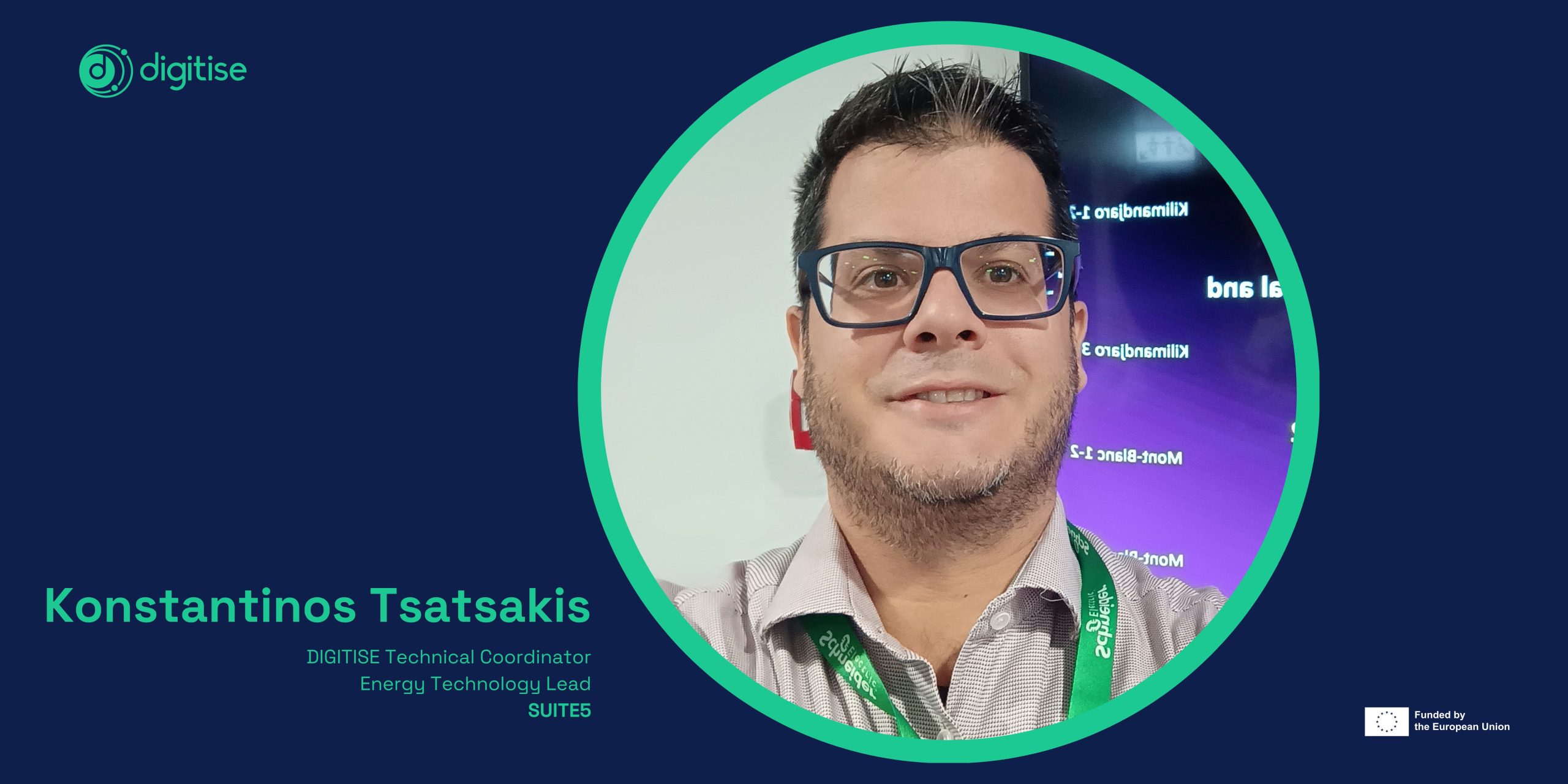
Leveraging AI, Digital Twins, and Collaboration for a Sustainable Tomorrow – An Interview with the Technical Coordinator of DIGITISE
The DIGITISE project is transforming the energy sector by leveraging technologies like AI, Digital Twins, and Big Data to empower consumers and prosumers. We are excited to sit down with the project's Technical Coordinator, Konstantinos Tsatsakis, from SUITE5, to dive deeper into the technical progress and challenges the team addresses. From integrating advanced digital tools to ensuring seamless communication across energy systems, their role is crucial in bringing DIGITISE’s vision to life.
Q: Tell us a little about yourself. What is your background? What motivates you? What are you focused on nowadays?
K: I have a background in electrical engineering, focusing on data-driven solutions for the energy sector. Over the years, I've been passionate about leveraging emerging technologies to solve real-world problems. I'm particularly motivated by the transformative potential of AI, machine learning, and digital technologies in shaping sustainable and smarter energy solutions. Lately, my focus has been developing and integrating cutting-edge digital solutions to optimise energy management and empower consumers in the energy ecosystem.
Q: Can you tell us more about your responsibilities in your company and what SUITE5 does?
K: At SUITE5, I hold a key position in promoting innovation and technology development. Our company focuses on delivering data analytics solutions and digital transformation services. We aim to provide actionable insights and solutions across different sectors, with a strong emphasis on sustainability and intelligent energy management. My role involves driving R&D efforts and ensuring that our solutions meet industry needs while pushing technological boundaries.
Q: Now, tell us about your role at DIGITISE. What do you do, and what is the most rewarding part of it?
K: As the Technical Coordinator at DIGITISE, I oversee the integration of advanced technologies such as AI, digital twins, and big data to achieve the project’s vision of transforming the energy sector. I work closely with technical partners to ensure seamless collaboration and progress. The most rewarding aspect is seeing how these digital solutions come to life, empowering both consumers and prosumers to actively manage their energy consumption and contribute to a sustainable future.
Through DIGITISE, we aim to create an energy system that is not only efficient but also democratised. By enabling consumers to take active roles as prosumers, we foster a more decentralised and resilient energy ecosystem.
Q: As the Technical Coordinator of DIGITISE, the role involves overseeing various technical activities that ensure the successful implementation of the project. What are the key technical milestones and activities, and how do they align with the project’s goals?
K: One of the key technical milestones is the development of the Digital Twin for energy systems, which allows real-time simulations and monitoring of energy infrastructures. We also focus on integrating AI-driven predictive tools to optimize energy flows and enhance grid stability. Another important activity is building a unified platform that supports seamless communication and interoperability across energy stakeholders. All these milestones are essential for achieving the DIGITISE goals of efficiency, flexibility, and sustainability in energy management.
Q: What positive impact do you hope to generate through our project?
K: Through DIGITISE, we aim to create an energy system that is not only efficient but also democratised. By enabling consumers to take active roles as prosumers, we foster a more decentralised and resilient energy ecosystem. The project’s digital tools will help lower energy costs, reduce carbon footprints, and promote sustainability, which are positive impacts we hope will resonate across the energy market.
Q: What are the challenges and strategies of coordinating the DIGITISE technical board?
K: Coordinating a technical board that brings together diverse stakeholders from different sectors can be challenging, especially in aligning objectives and timelines. However, we use agile methodologies and foster strong communication to ensure that all teams remain aligned on the project’s goals. Our strategy is to maintain a balance between technical innovation and practical application, ensuring that the solutions we develop are both cutting-edge and applicable in real-world scenarios.
Q: How do you envision the future of energy management with the digital tools developed in DIGITISE, and what impact do you believe they will have on the energy market and sustainability?
K: I believe the future of energy management will be much more decentralised, with consumers playing a greater role in energy production and consumption. Digital tools like AI-driven forecasting, energy optimisation platforms, and real-time monitoring systems will drive this change. These tools will not only enhance energy efficiency but also contribute significantly to sustainability by optimising renewable energy use and minimising waste.
Q: Any final words to end on?
K: I’d like to emphasise the importance of collaboration in realising the full potential of digital transformation in the energy sector. It’s not just about the technology, but how we apply it to build a sustainable and equitable energy future for all. I’m excited to see how DIGITISE contributes to this evolving landscape.
Want to know more stories from our DIGITISE Team? Subscribe to our newsletter and follow us on LinkedIn and X to keep up to date!
Do you want to know more about Digitise?
- Espinardo: A Spanish Demonstration Site for the DIGITISE Project
- Powering Real-World Change: Demonstration and Impact Assessment of DIGITISE Solutions
- DIGITISE Project Holds 3rd Plenary Meeting: Summing Up the 1st Year of Progress
- DIGITISE Project Input to European Digital Transformation
- It’s About How We Apply Technology to Create an Inclusive and Sustainable Energy Ecosystem
- Digital Tools for Consumers: Demand-Side Flexibility and Efficient Energy System by Arden Energy
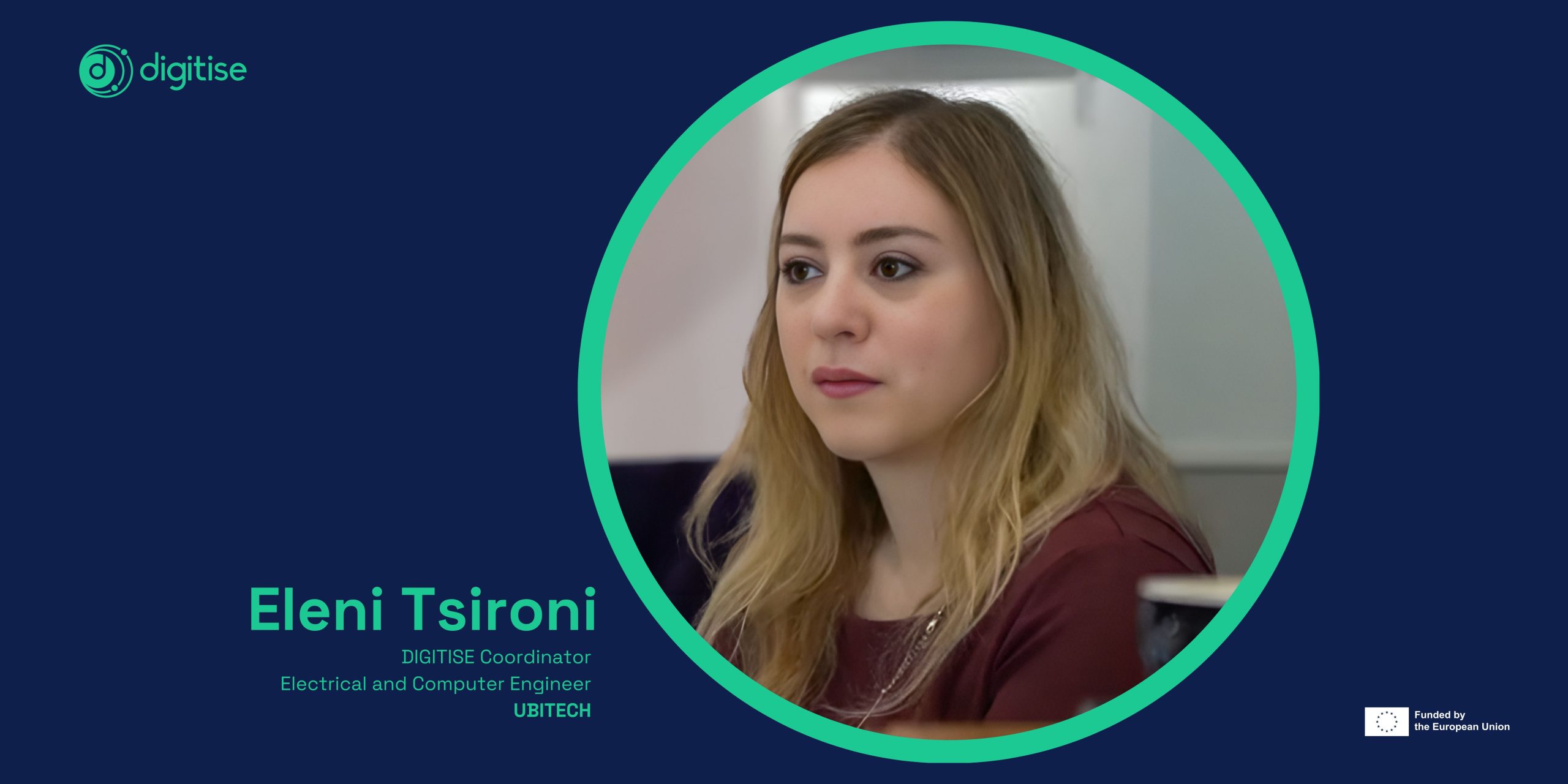
DIGITISE: More Than Just Advancing Technology – An Interview with Eleni Tsironi, Project Coordinator
The DIGITISE project brings together a diverse consortium of partners from across Europe, each contributing their unique expertise to revolutionise the digital energy landscape. By integrating technologies such as AI, Digital Twins, Big Data Management, and DLT-enabled Marketplaces, DIGITISE aims to empower energy consumers and prosumers and enable them to participate actively in the digital energy market.
In this interview, we speak with Eleni Tsironi, Project Coordinator from UBITECH, to get to know people behind the scenes and explore their roles, contributions, and insights into the project.
Q: Tell us a little about yourself. What motivates you? What are you focused on nowadays?
E: I am an Electrical and Computer Engineer with over a decade of experience working on various EU projects, particularly in the field of energy, digital innovation and sustainability. For the past five years, I’ve been a member of UBITECH, focusing on applying cutting-edge technologies to societal challenges. What motivates me is the impact we can have through technology - specifically in driving the energy transition and enabling citizens to take a more active role in shaping a sustainable future.
In my current role as project coordinator of the DIGITISE project, I am particularly focused on how we can leverage digital tools like AI, blockchain, and digital twins to empower both consumers and prosumers in energy markets. These innovations not only enhance efficiency but also help bridge the digital literacy gap, encouraging more inclusive participation in the energy ecosystem.
Q: Can you tell us more about your responsibilities in your company and what UBITECH does?
E: As a project manager at UBITECH, my primary focus is on overseeing the successful execution of Horizon Europe projects, like the DIGITISE project. I ensure that all project activities are delivered on time, within scope, and aligned with the objectives set by the consortium. This involves coordinating between multiple stakeholders, managing resources, and ensuring compliance with EU funding guidelines. Additionally, I am actively involved in identifying new funding opportunities and building partnerships that foster innovation and collaboration in our fields of expertise.
UBITECH is at the forefront of digital transformation, delivering cutting-edge software solutions, custom development, and research-driven innovation in information and communication technologies. The company excels in pioneering new technologies, developing custom applications, and turning research into market-ready solutions. Our consulting services also help organizations navigate the challenges of digital transformation, and we are heavily invested in creating innovative ventures that shape the future of technology.
The most rewarding part of my job is seeing the tangible impact of our work. DIGITISE is not just about advancing technology; it's about enabling people to take a more active role in managing their energy consumption, contributing to a more sustainable future.
Q: Now, let us know about your role at DIGITISE. What do you do, and what is the most rewarding thing about it?
E: As the project coordinator for DIGITISE, my role is to ensure that all aspects of the project run smoothly. This means managing project timelines, facilitating communication between the various partners, and ensuring that we are meeting our milestones in line with the project’s objectives. One of the key responsibilities is also to monitor the development of digital tools, making sure that they align with the project's goals of empowering consumers and prosumers in the energy market.
The most rewarding part of my job is seeing the tangible impact of our work. DIGITISE is not just about advancing technology; it's about enabling people to take a more active role in managing their energy consumption, contributing to a more sustainable future. Knowing that we are not only innovating but also helping to shape a more empowered, energy-conscious society is incredibly fulfilling.
Q: Project management itself is very demanding regarding skills. Which of them are the most important ones?
E: Project management requires a broad set of skills, but some stand out as particularly important. Leadership is key, as you need to guide your team and stakeholders toward shared goals while ensuring everyone is aligned. Communication is equally vital, particularly in multi-partner projects like DIGITISE, where clear and consistent communication across different teams and countries is crucial. Organisational skills are fundamental—managing timelines, resources, and deliverables can be complex, so staying on top of details is essential. Additionally, problem-solving and adaptability are critical in handling unforeseen challenges, whether it's a technical issue or a sudden change in the project’s direction. Lastly, stakeholder management is an important skill. You need to understand the needs of different partners and the European Commission, ensuring all expectations are met and keeping the project in line with broader EU objectives.
Q: What two activities are you and UBITECH working on in DIGITISE that you are most excited about?
E: I am particularly excited about two key activities that UBITECH is spearheading in the DIGITISE project: the development of the Household Digital Twin application and our efforts in business exploitation.
Firstly, the Household Digital Twin application represents a significant innovation in how we can simulate and optimise household energy consumption. This application will focus on optimising energy management at the household level, considering the management of individual household assets to maximise self-consumption, significantly lower energy costs, and create a more user-friendly environment.
Secondly, our focus on business exploitation activities is equally thrilling. We are dedicated to ensuring that the outputs of the DIGITISE project can be effectively translated into market-ready solutions. This involves engaging with stakeholders, identifying potential market opportunities, and developing strategies to promote the adoption of our innovations. By doing so, we aim to not only maximise the project's impact but also to foster collaboration with sister projects and initiatives, thereby creating a wider ecosystem of innovation in the energy sector.
Q: What are some of the key challenges you have already found in the DIGITISE project? What should Partners working on projects like DIGITISE focus the most on?
E: In the DIGITISE project, we have identified several key challenges that are crucial for our success. One significant challenge is the integration of diverse data sources and ensuring data interoperability. With various stakeholders contributing different datasets, achieving seamless communication and compatibility among these systems is essential for the efficacy of our Digital Twin application.
Another challenge is engaging users and stakeholders to actively participate in the deployment of our solutions. Building awareness and trust in digital technologies is vital, as it directly impacts user adoption and the overall effectiveness of our initiatives.
For partners working on projects like DIGITISE, I recommend focusing on three main areas:
- Collaboration and Communication: Establishing strong lines of communication among all partners is essential for sharing knowledge, resources, and best practices.
- User Engagement: Actively involving end-users in the development and testing phases will provide valuable insights and ensure that the solutions we create are user-centric. This engagement is crucial for promoting adoption and ensuring that the tools we develop meet real-world needs.
- Scalability and Adaptability: As we innovate, it’s important to design solutions that can easily adapt to changing market conditions and user requirements. Focusing on scalability will help ensure that our findings and applications can be effectively deployed across different contexts and geographies.
By addressing these challenges and focusing on these key areas, partners can enhance the impact of their contributions and drive meaningful progress in the digital energy market.
Q: As DIGITISE progresses, what are UBITECH's future plans and vision for their role in the project, and how do they see their contributions shaping the digital energy market in Europe?
E: UBITECH envisions a pivotal role in advancing digital solutions that will transform the energy landscape in Europe. Our plans include further enhancing the Household Digital Twin application by integrating advanced analytics and machine learning capabilities. This will allow us to provide even more precise insights into energy consumption patterns and promote proactive energy management among users.
In addition, we aim to strengthen our collaboration with industry partners and stakeholders to facilitate the practical implementation of our innovations. By focusing on scalable solutions that can be adopted by various segments of the energy market, we believe UBITECH can significantly contribute to creating a more interconnected and efficient digital energy ecosystem.
We see our contributions shaping the digital energy market by not only providing cutting-edge tools and applications but also fostering a culture of innovation and collaboration. By aligning our efforts with broader European energy goals, such as the transition to renewable energy and achieving carbon neutrality, we are committed to ensuring that our work in DIGITISE resonates across the industry and inspires other initiatives.
Q: Any final words to end on?
E: As we advance with the DIGITISE project, our vision is to empower individuals and communities through innovative digital solutions that drive the energy transition. Together, we are shaping a sustainable future where technology and collaboration pave the way for a more inclusive energy ecosystem.
Q: Thank you for your time and insightful anwers!
Want to know more stories from our DIGITISE Team? Subscribe to our newsletter and follow us on LinkedIn and X to keep up to date!
Do you want to know more about Digitise?
- How to Maximise DIGITISE Visibility: Interview with AUSTRALO (Dissemination Leader)
- DIGITISE Impact Through Communication, Dissemination, Stakeholder Engagement and Business Innovation
- Bringing Citizens into the Energy Conversation: An Interview with Benoît Verhulst of Missions Publiques
- Citizen Energy in Croatia: An Interview with Melani Furlan (ZEZ) on Community-Driven Innovation in DIGITISE
- Leveraging AI, Digital Twins and Collaboration for a Sustainable Tomorrow: An Interview with the Technical Coordinator of DIGITISE
- DIGITISE—More Than Just Advancing Technology: An Interview with Eleni Tsironi (Project Coordinator)
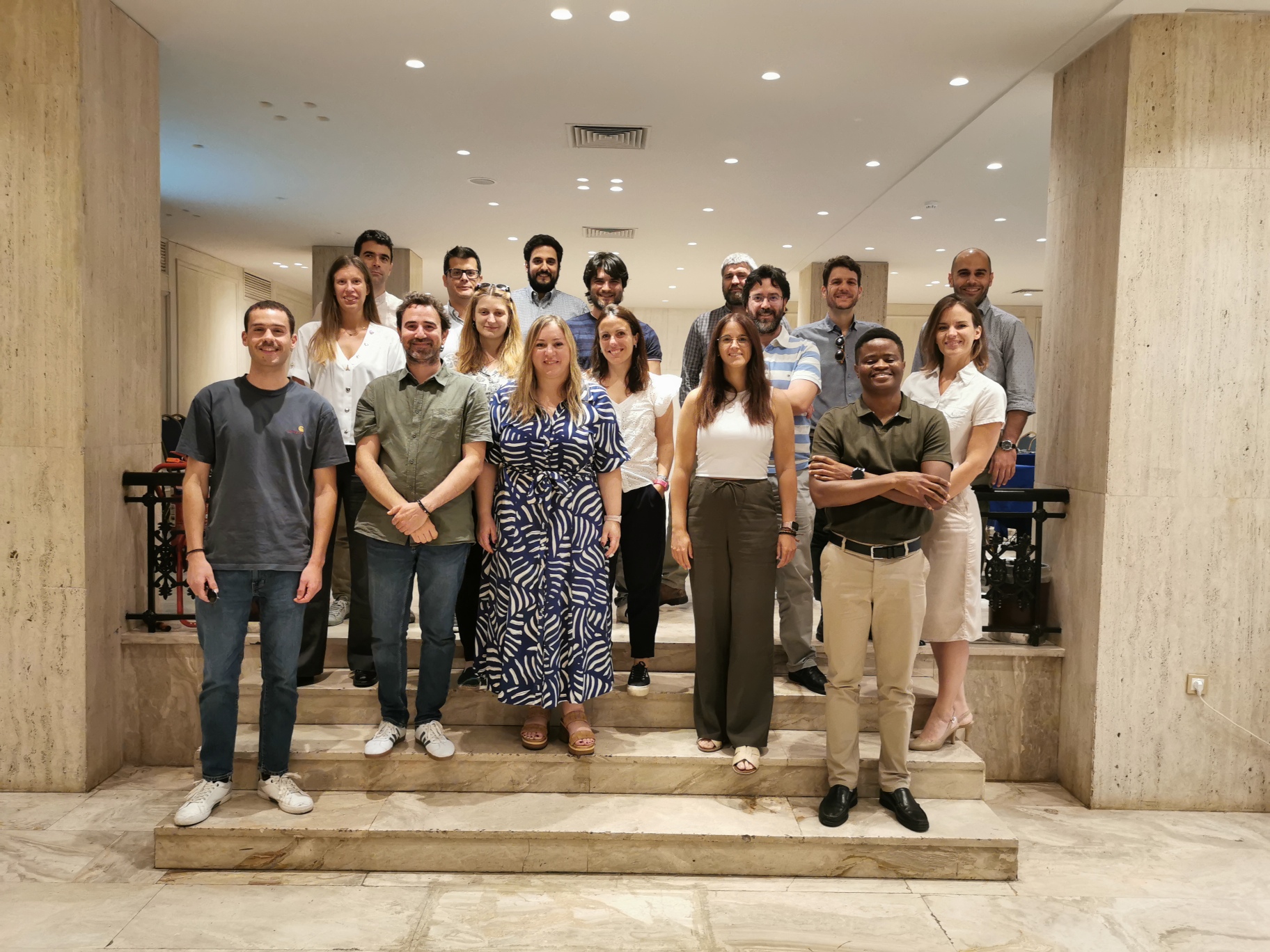
Launch of the DIGITISE Project to Drive Consumer Empowerment in the Digital Energy Market
The DIGITISE project (Digital Innovative cross-sector services for Greater citizen Integration in a just energy Transition and Societal Empowerment), funded by the European Commission under GA 101160671, aims to enhance digital literacy and empower consumers and consumers in the energy sector. It officially kicked off with a successful meeting held in Athens, Greece, on June 5-6, 2024. This ambitious initiative aspires to enable active engagement in digital energy activities and markets, promoting a pivotal role for consumers and prosumers in the ongoing energy transition.

DIGITISE is a forward-thinking project that amalgamates proven expertise and practical experience in energy systems, flexibility services, and energy markets. It emphasises social and human engagement within digital ecosystems, integrating technologies such as Innovative Cross-Sector Services, Digital Twins, DLT-enabled Marketplaces, AI Analytics, and Big Data Management. The project also prioritises interoperability and security, crafting a comprehensive consumer empowerment framework.
This framework will undergo extensive validation across one well-established Living Lab and four large-scale demonstration sites located in Greece, Spain, Croatia, and Ireland. These sites will involve various stakeholders, including consumers, prosumers, and business actors such as Retailers, Aggregators, and Local Energy Communities (LECs).
Additionally, they will utilise diverse cross-domain data sources and heterogeneous energy and non-energy systems, accounting for multi-variate climatic and socio-economic characteristics. The kick-off meeting in Athens marked the beginning of this innovative project, bringing together key stakeholders and laying the groundwork for the extensive work ahead. The event featured in-depth discussions on project goals, strategies, and implementation plans, setting the stage for a collaborative effort towards a more digitally empowered energy market.
DIGITSE outcomes will result from cooperation between 12 European entities, specialised in different aspects of the project: UBITECH, SUITE5, MYTILINEOS, CIRCE, University College Dublin, APPART, UNPARALLEL INNOVATION LDA, MIW, ARDEN, ZELENA ENERGETSKA ZADRUGA ZA USLUGE, AUSTRALO, MISSIONS PUBLIQUES.
Media Contact
Project Coordinator
Eleni Tsironi
etsironi@ubitech.eu
D&C Project Manager
Giulia Pastor
giulia@australo.org