The first 18 months of the DIGITISE project have been defined by a singular goal: establishing a robust, user-centric foundation for the future of innovative digital energy services. Massive work on requirements’ analysis, architecture definition, and verification aimed to merge technical rigor with real-world insights and transition from conceptual planning to a clear technical blueprint guiding the design of all upcoming DIGITISE services and tools.
From User Insights to Technical Blueprint
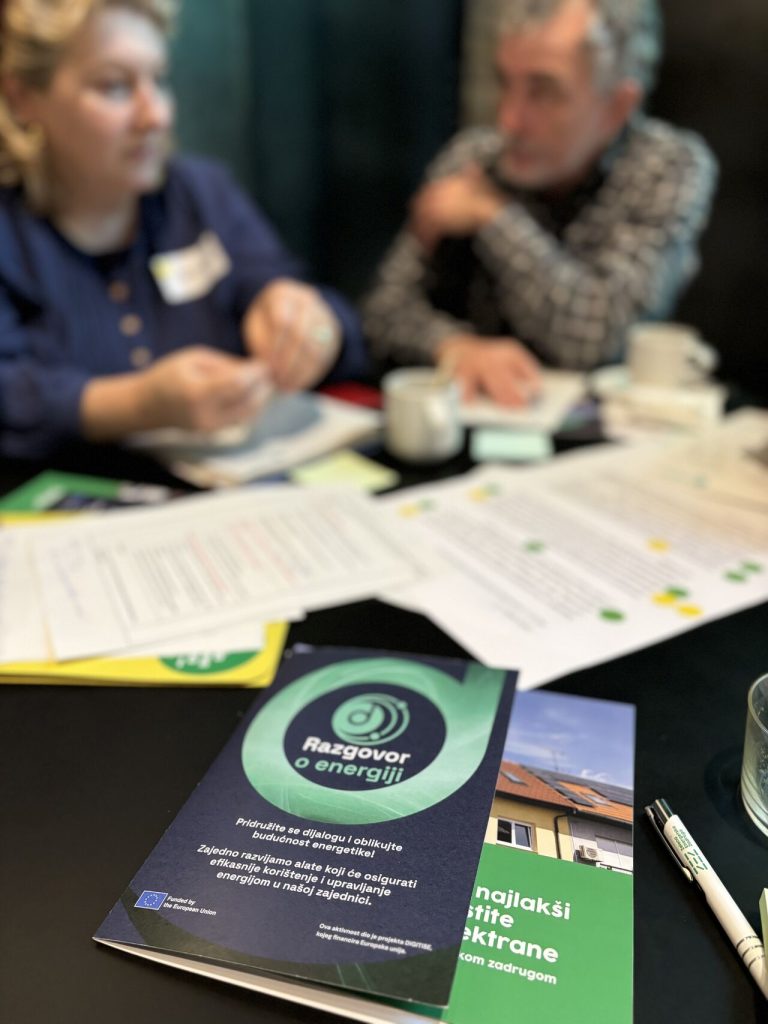
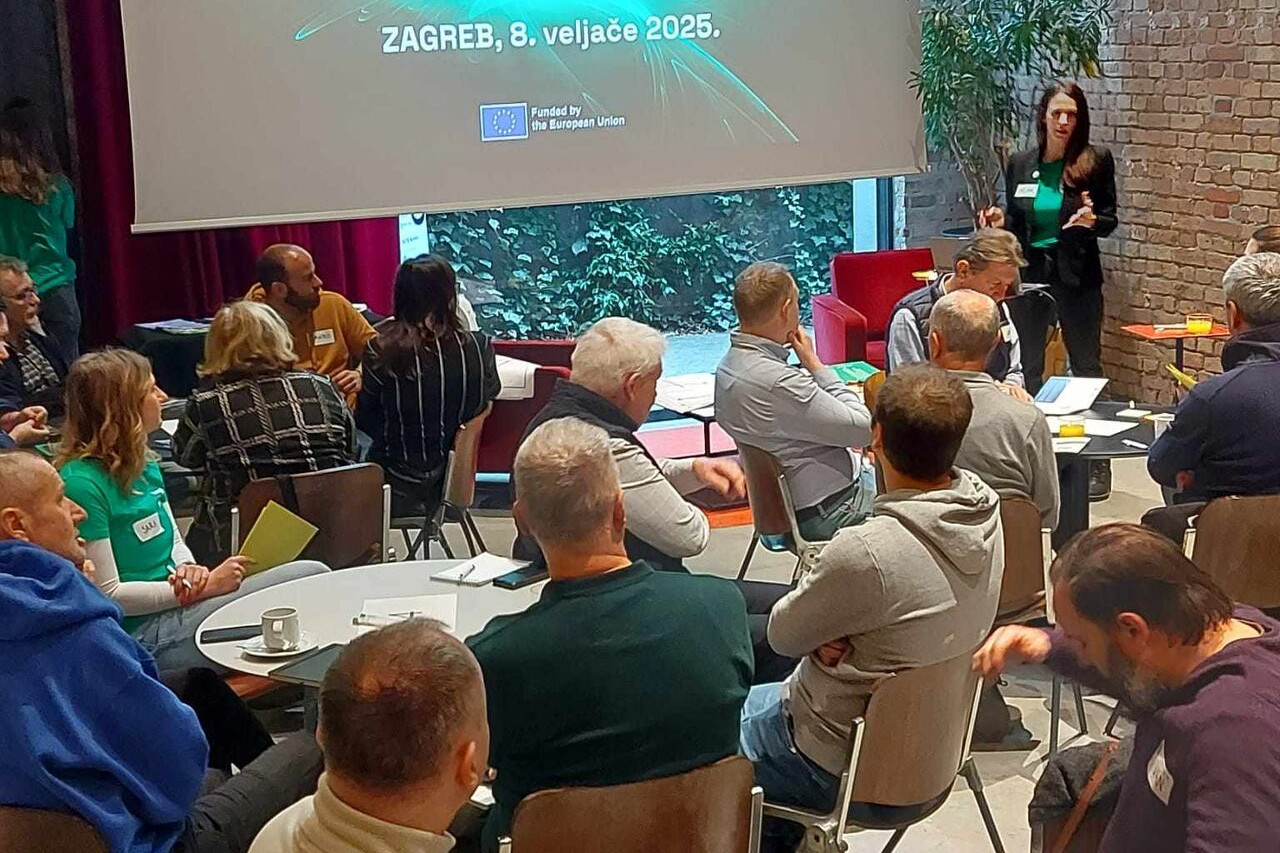
We believe that innovation only succeeds if it serves the people using it. To ensure that DIGITISE solutions are firmly rooted in real end-user needs, we conducted extensive stakeholder engagement across all four demonstration countries (Greece, Spain, Croatia, Ireland). Through a mix of questionnaires, focus groups, and “Energy Dialogues,” we gathered direct input from end-users. This feedback was then translated into a structured set of business scenarios and detailed use cases, capturing both functional and non-functional requirements, that reflect user expectations, social and organizational considerations and regulatory constraints.
Beyond that, the project performed a “deep dive” into the socio-economic, behavioral and regulatory barriers affecting digital energy services’ adoption. From energy literacy to data privacy, user acceptance and affordability, we have mapped the hurdles that often stall innovation. By reviewing both European and national regulatory frameworks, we’ve ensured that DIGITISE solutions are not just compliant, but adaptable across diverse markets. Committed to the principle that results must be transparent and measurable, a multidimensional performance measurement and verification framework was defined, to track our impact across energy, technical, economic, environmental, and social metrics.
Additionally, analysis of the current and emerging energy and flexibility market models was performed, leading to the definition of flexibility-oriented concepts aligned with consumer participation.
All these workstreams—user insights, market analysis, regulatory reviews— have come together to shape our Reference Architecture. This modular, interoperable, and privacy-aware framework serves as the project’s “brain,” defining the components, data flows and interfaces that bridge the gap between users’ needs and technical implementation and will ultimately turn users’ participation into a reality for the flexibility markets of tomorrow.
Meet our Experts’ Team
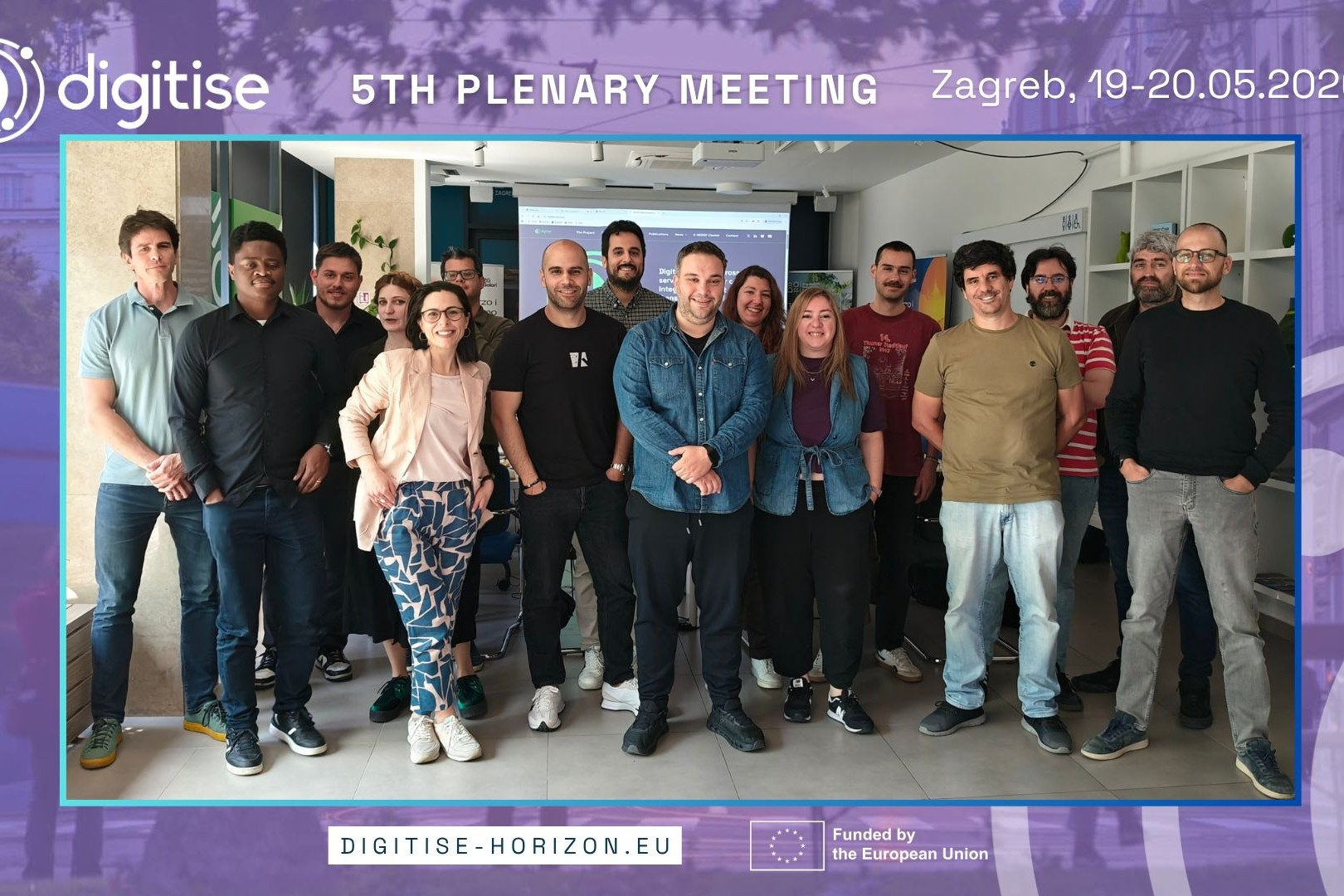
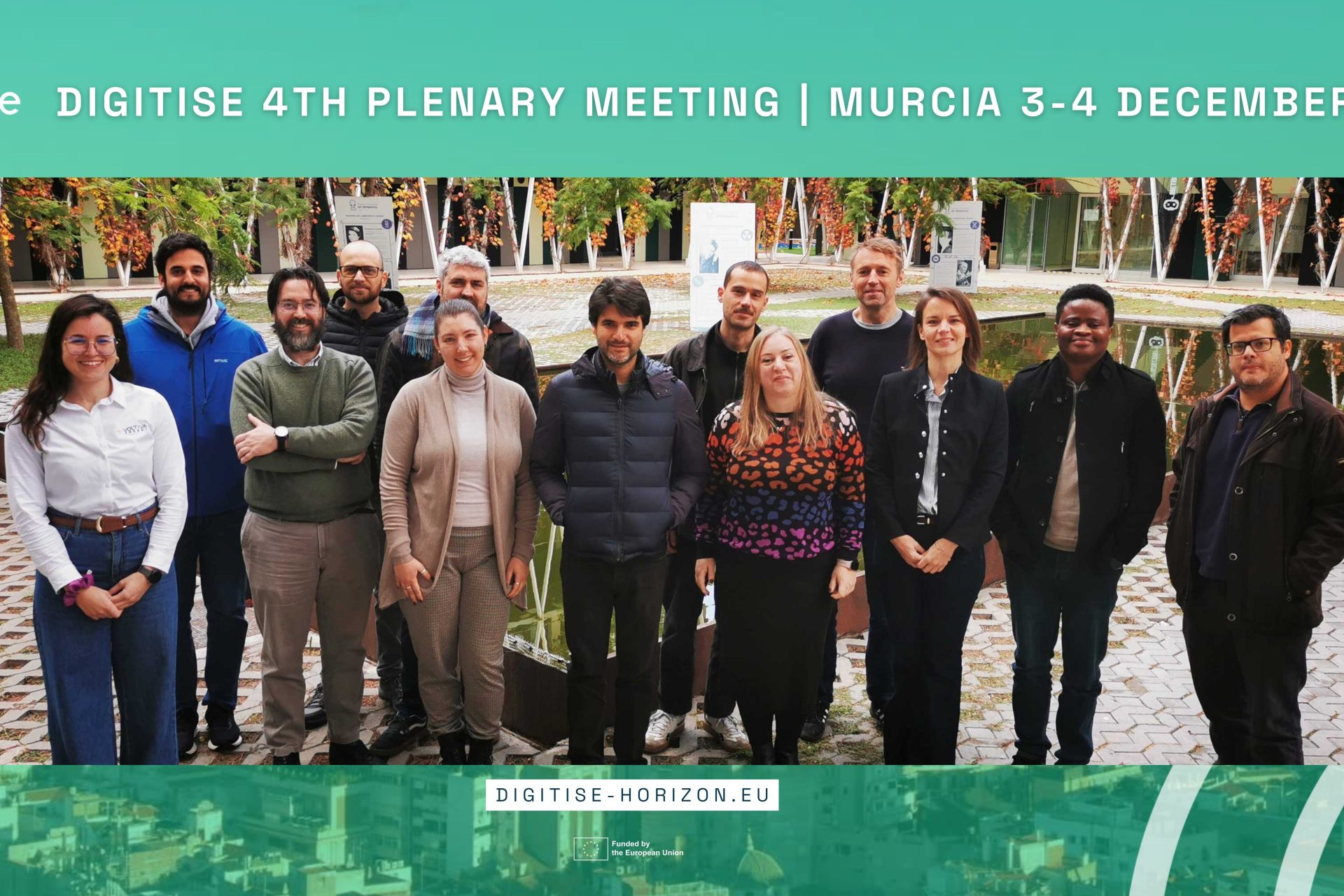
The Requirements, Architecture and Verification team, was led by CIRCE, a leading RTO in the domains of Smart Grids and RES integration with strong knowhow in technology solutions for energy services. Working hand-in-hand with DIGITISE partners, the team ensures we aren’t just building tech; we’re building a human-centric, measurable, and interoperable ecosystem, designed to empower users in the energy transition.
Want to know more stories from our DIGITISE Team? Subscribe to our newsletter and follow us on LinkedIn, BlueSky and X to keep up to date!
Share
Also read